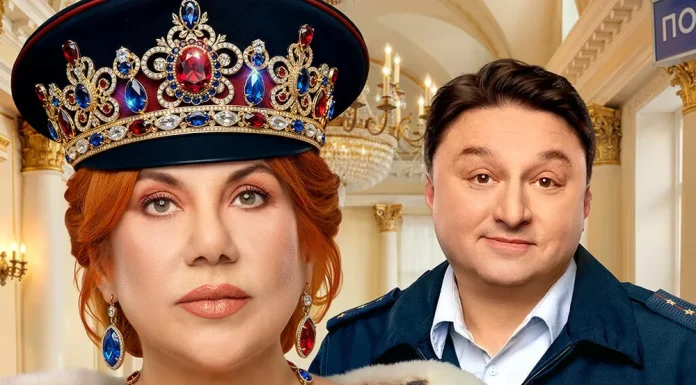

The role of Elizaveta Kiver was written specifically for Marina Fedunkiv.
According to creative producer and screenwriter Ivan Novikov, Fedunkiv was initially the only candidate: the writers wanted an actress with a strong comedic flair and a recognizable “folksy” energy. Even when the pilot was filmed under difficult conditions—Marina was heavily pregnant at the time—alternatives were not seriously considered.
Kiver’s character turned out to be a perfect fit for the actress: strong-willed, sharp, with an immediate reaction to the absurd, and at the same time very lively. This is a boss who can give her subordinates a dressing down, and a minute later save the situation with a joke.
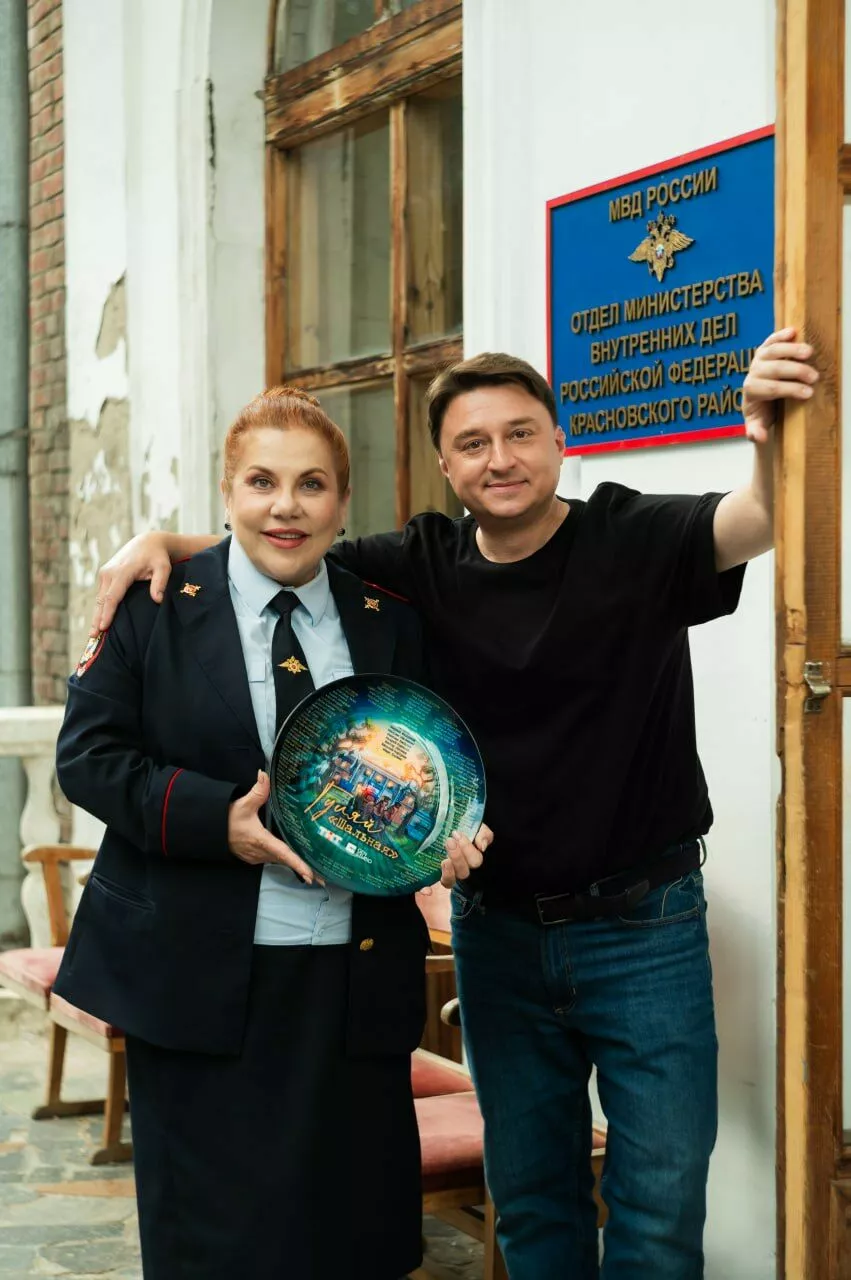
The history of the series grew out of a real historical curiosity
Novikov recalls that it all began with a fact that sounds almost like a joke headline: in the city of Belev, the police department is located in the building where in the 19th century, on the road from Taganrog, the Russian empress died. This unexpected historical context became the starting point for the script.
At first, the author simply told funny stories about police life to his acquaintances, but it was this fact that provided the structure: this is how the idea of a policewoman arriving to lead the “imperial” department was born, and the theme of the empress turned into a recurring ironic motif.
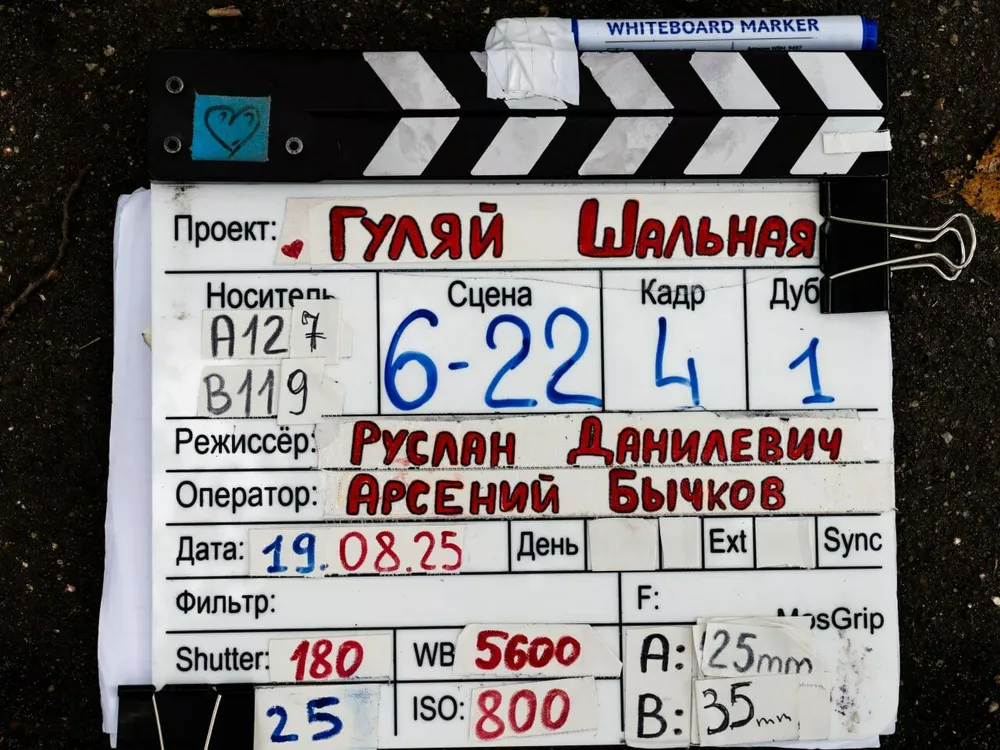
The fictional city of Krasnov as a space for comedy
The creators abandoned a specific city in order not to depend on historical accuracy and to preserve freedom for comedy. According to Novikov, the Empress’s death is dramatic in itself, but the series was conceived as a lighthearted affair, so a unified setting was needed.
This is how Krasnov emerged—a fictional provincial town with recognizable characters. The historical drama, however, remained intact: the episodes feature fantasy inserts where the heroine imagines herself as the Empress or finds herself in stylized historical circumstances, adding an additional comedic layer.
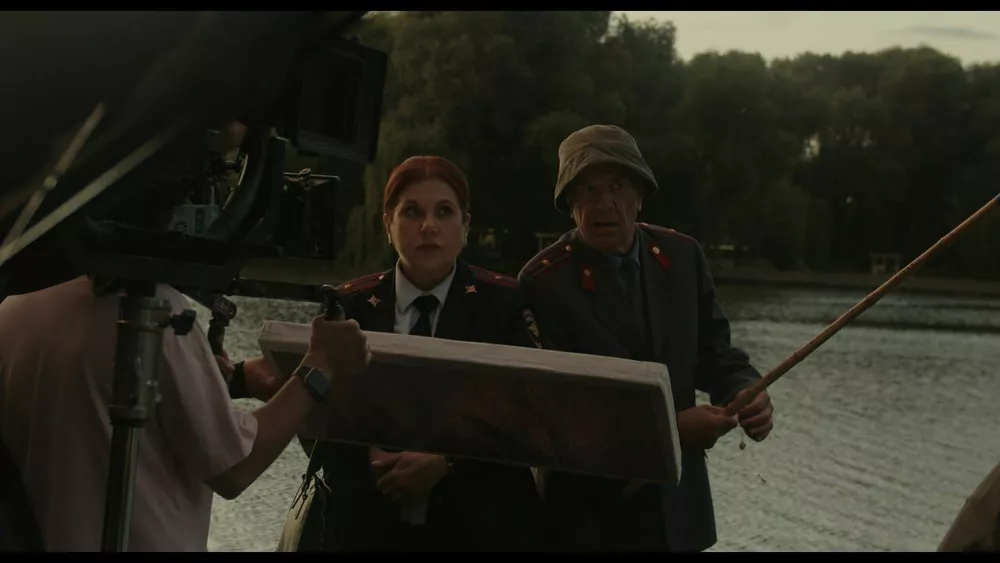
The actors’ improvisation was actively used on set.
Novikov emphasizes that the script was written from the very beginning with the actors’ natural talent in mind, especially Fedunkiv. She regularly suggested her own wording for lines, changed intonations, and added conversational details—and the writers supported this if the scene was successful. However, there were no unsuccessful improvisations from Marina, who had enriched Russian speech since her days on “Real Boys.”
Similar freedom was enjoyed by other actors, such as Maxim Lagashkin (also a brilliant member of the cast) and Maxim Kiselev, who played Kiver’s new subordinates. Some dialogue was refined during filming to maintain the feeling of live communication. This approach, according to the team, enhanced the comedic effect and made the characters more natural.
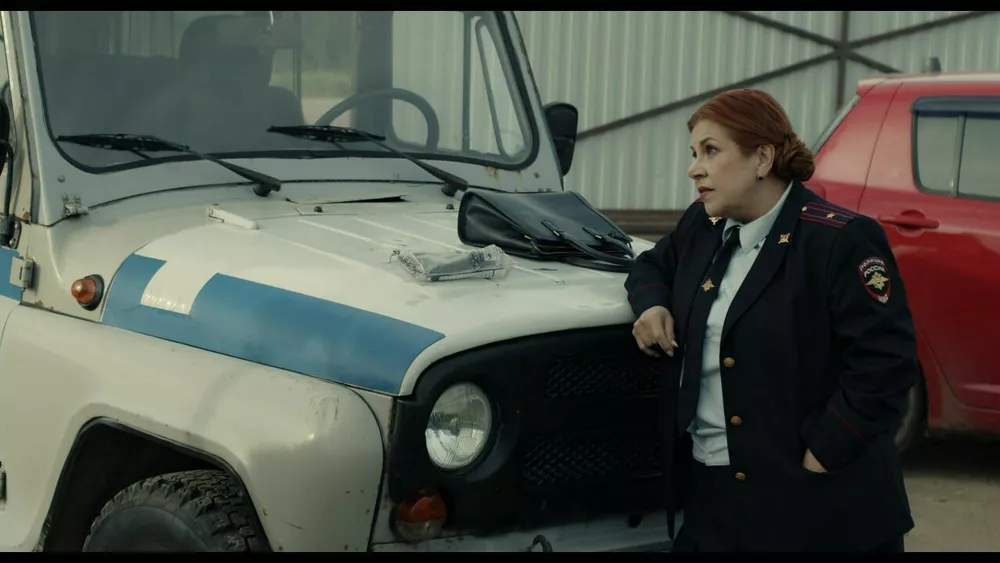
Filming took place in a real estate with a history
The main location was the Vorobyevo estate in the Moscow region – a building in a difficult state, which, according to the plot, also requires restoration. Novikov notes that the owners allowed the space to be changed: the artists repainted the walls, rebuilt the rooms, added structures, and even “worsen” the interior in places for the sake of authenticity.
Additional scenes were filmed in the Ivanovo region, Plyos, and Moscow – this is how the fictional Krasnov received real geography and a variety of textures.