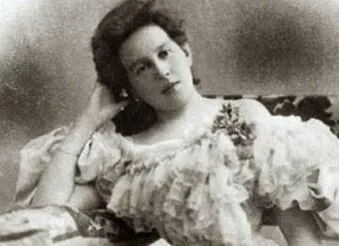

If you set aside the secular agenda of the early 20th century, the story of Zinaida Morozova is far more interesting than the usual collection of scandalous details. This is precisely the basis of the new tour at the Gorki Leninskiye Museum-Reserve – it offers a look at history without the usual memoirist lens of contemporaries, which for many years defined the biography of this remarkable woman, who lived at the turn of the epoch.
Zinaida Grigorievna was born into the Zimin merchant family of Old Believers – it was a rather closed environment, where adherence to tradition mattered more than personal desires. The fates of children were decided within the family, and marriages were primarily arranged and arranged. Therefore, at seventeen, Zinaida (then Zinovia) was married to Sergei Morozov, a member of a well-known industrial dynasty. This union seemed quite logical: two merchant families, similar circles, capital on capital.
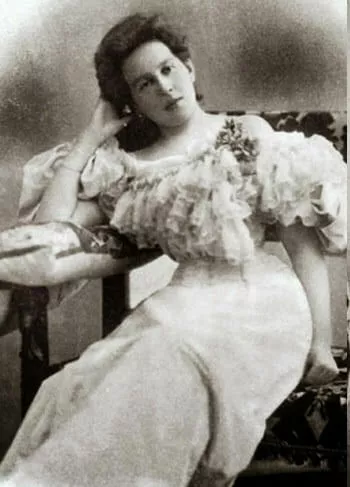
But just a year later, Zinaida filed for divorce, a step almost impossible for Old Believer society of the late 19th century. The reason was an affair with Savva Morozov, her husband’s cousin, a famous manufacturer and philanthropist. The story was so scandalous that all of Moscow was discussing it.
The Morozov family, to put it mildly, was not delighted. Savva’s mother, Maria Feodorovna, hoped that her son would quickly cool down and return to a more “correct” choice. But everything changed when it turned out that Zinaida was expecting a child. After this, Savva Morozov decided to marry her, and the situation finally turned into a high-profile family drama. Maria Feodorovna called her daughter-in-law a “rootless swindler,” and Zinaida’s father, according to her own memoirs, said he would rather see his daughter dead than endure such shame. Nevertheless, the wedding took place.
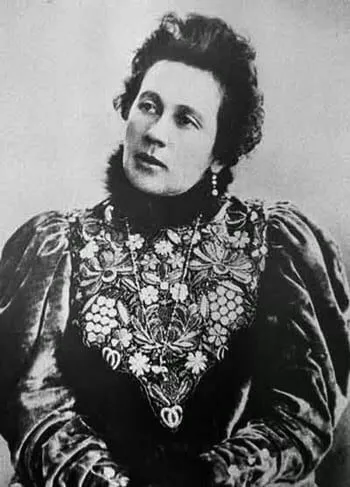
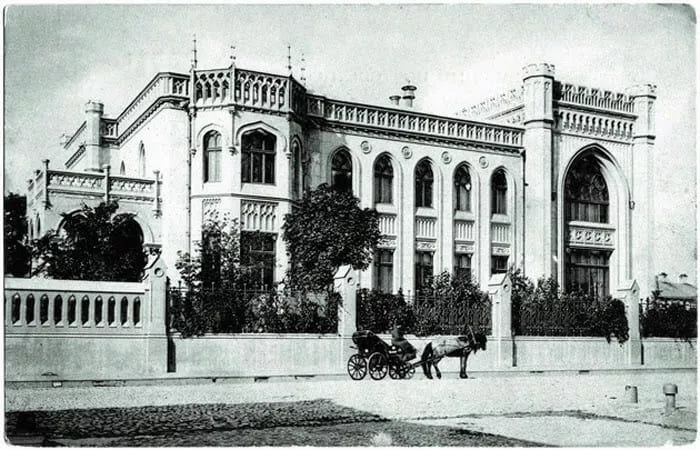
After this, Zinaida’s life changed almost instantly; she found herself at the center of Moscow society of the early 20th century. The architect Fyodor Shekhtel built a mansion on Spiridonovka for the couple—one of the most spectacular buildings of Moscow Art Nouveau, which quickly became a magnet for actors, artists, and writers. Savva Morozov financed the Moscow Art Theater, so actors from the Moscow Art Theater regularly appeared at evenings at the mansion. Anton Chekhov and Fyodor Chaliapin were also guests. Zinaida gradually mastered her new role as the mistress of a large house: she learned languages, read, received guests, and hosted soirees. However, family life turned out to be far less harmonious than it seemed from the outside.
In the early 1900s, Savva Morozov became infatuated with Maria Andreeva, one of the most famous actresses of the Moscow Art Theater. Andreeva was not only a theater star but also someone closely associated with the revolutionary movement; she later left Morozov for Maxim Gorky. This breakup proved very difficult for the entrepreneur. Contemporaries recalled that Morozov was experiencing a serious internal crisis. So Zinaida decided to take her husband abroad, hoping a change of scenery would help him recover.
In the spring of 1905, the couple found themselves in Cannes. Here, on the Côte d’Azur, amid the tranquility of resort life, tragedy struck. Savva Morozov was found dead in his hotel room. According to one theory, Zinaida was the first to see her husband’s body. The official investigation quickly concluded it was suicide. However, other explanations for the incident began to emerge almost immediately—more disturbing and confusing.
The most famous of these concerns a large insurance policy Morozov had taken out in the name of the actress Maria Andreeva shortly before his death. According to one hypothesis, the businessman may have fallen victim to revolutionaries: it was assumed the money was intended to go to Andreeva, who was close to their circle, and then be used for political activities. After Morozov’s death, the insurance money did indeed end up with Andreeva, and she handed the funds over to the revolutionaries. No direct evidence to support this version has ever emerged, but the story itself quickly became one of the most talked-about and enigmatic dramas of the early 20th century.
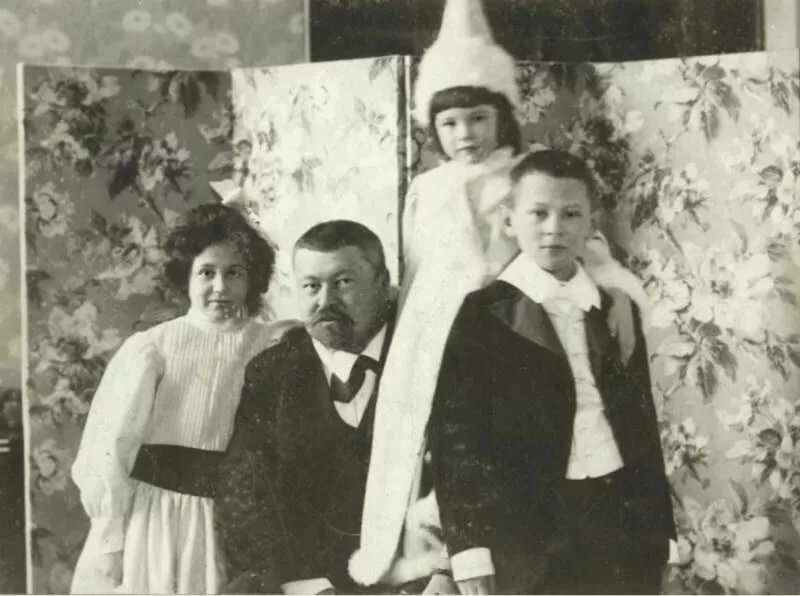
After this tragedy, Zinaida Morozova’s life changed dramatically again. She returned to Russia not just as a famous socialite, but as one of the wealthiest widows in the country, the heiress to a vast fortune. It was during this period that qualities rarely mentioned in the gossip columns emerged: business acumen, practicality, and the ability to make independent decisions.
Later, Morozova married the Moscow mayor, Anatoly Reinbot, and received a title of nobility. For a long time, it was believed that this union was short-lived and largely formal. However, new archival materials allow us to see this story differently. When the trial against Reinbot began, Morozova actively supported her husband and spent significant funds on his defense.
Judging by surviving correspondence, their relationship was much stronger than was commonly believed. The version of an “unhappy” marriage apparently arose later, largely thanks to the recollections of members of the Morozov family, who hated the “rootless divorce.”
Over time, Zinaida parted with the famous mansion on Spiridonovka and acquired the Gorki estate near Moscow. It was here that a new stage in her life began. The estate was significantly rebuilt: the main house was renovated, the farmstead was put in order, and the grounds were redesigned.
For a long time, it was believed that the architect Fyodor Shekhtel was the author of the reconstruction project—this seemed quite logical, since he had already worked for the Morozov family. However, recent research by staff at the Gorki Leninskiye Museum-Reserve shows that no documentary evidence of his involvement has yet been found.
However, increasing indirect evidence points to the possible involvement of another architect, Ivan Zholtovsky, who was just beginning his professional career at the time and was already fulfilling commissions for wealthy clients. If this hypothesis is confirmed, Gorki may turn out to be one of the earliest projects of the future classic of Russian architecture.
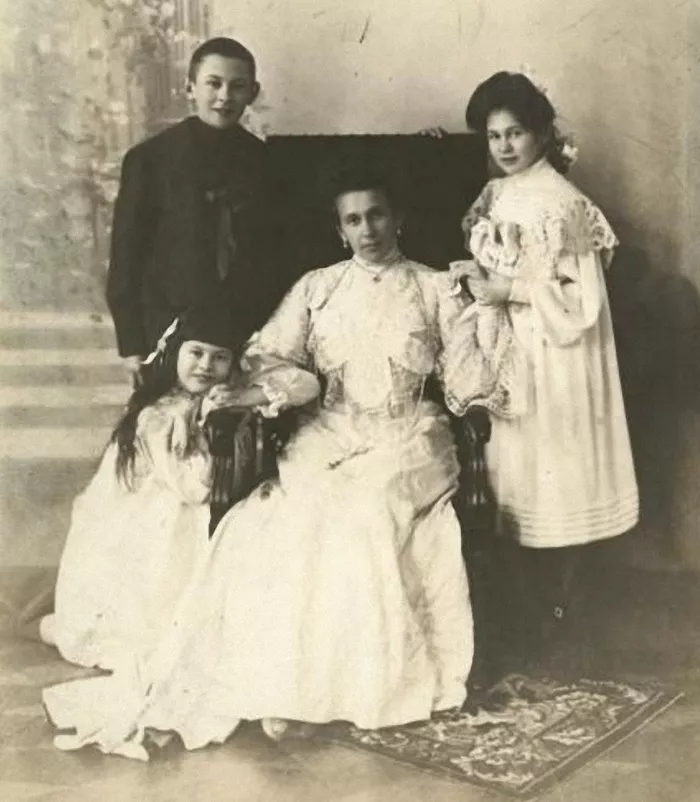
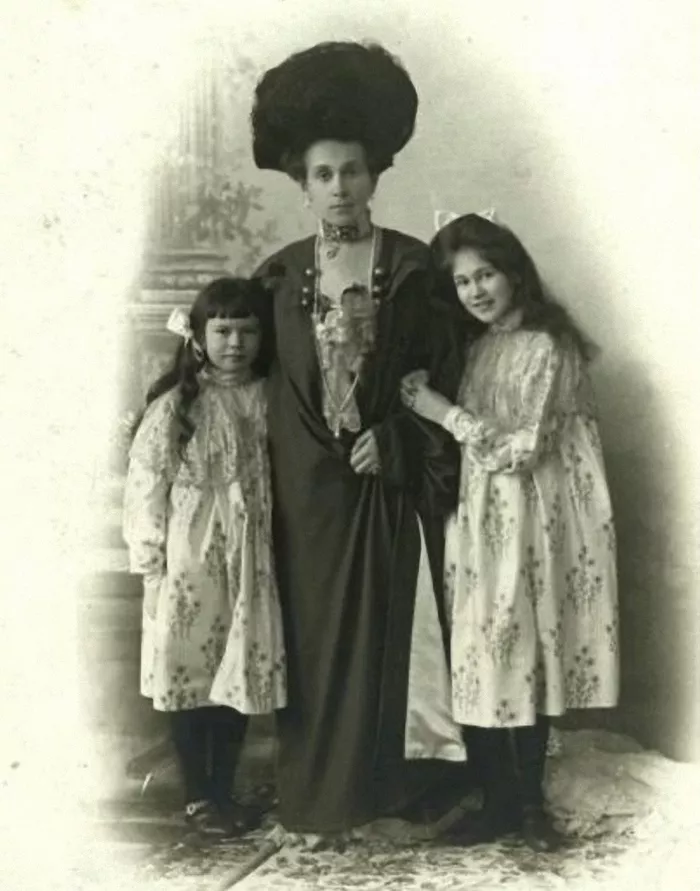
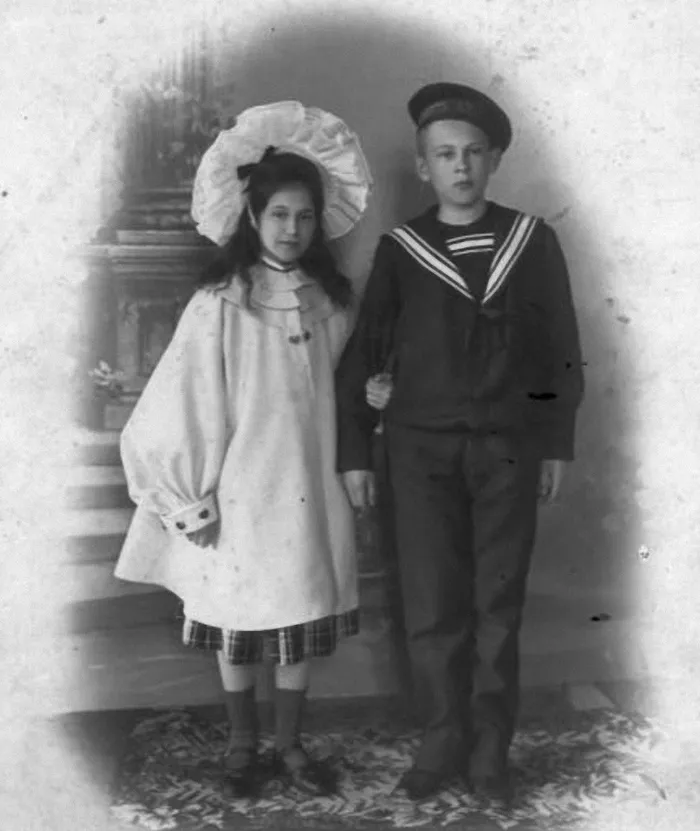
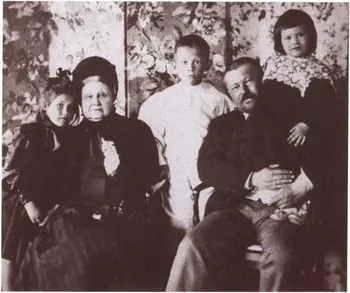
After the October Revolution, the Gorki estate was nationalized. It was here that Vladimir Lenin spent his last years – thanks to this, the house has undergone almost no major alterations and has largely retained its pre-revolutionary interiors.
Morozova herself did not leave Russia, although she had such an opportunity. Zinaida Grigorievna lived a long life and died in 1947, having witnessed several eras at once: from merchant Moscow of the late 19th century to the post-war Soviet reality.
That is why a trip to Gorki today is not just a stroll through a museum estate. This is an opportunity to see a place where several stories intersected: the fate of the richest woman of her time, the history of one of the most famous merchant dynasties, and the final years of the life of a man who changed the country beyond recognition. This new tour offers a look at this estate not only through the prism of Soviet history, but also through the life of its first owner, Zinaida Morozova.