


Regression during illness: is this normal?
When a child is feeling unwell, they especially need safety and care, peace and reassurance from their parents. That’s why a baby may ask to be held again, demand a pacifier, or call for mom at night. This isn’t a developmental setback, but a natural way to cope with stress. The best thing parents can do is provide more warmth and don’t scold for “childish” habits. When health is restored, the child will return to their usual level of independence.
To clarify the reasons why this happens, we decided to talk about regression with Zabava Zvon, a consulting psychologist who specializes in working with children and adolescents:
Everyone, both adults and children of any age, feel more vulnerable and need more care during illness. Adults are good at hiding it, but children aren’t yet. Young children have difficulty recognizing their feelings, and during illness, they have to deal with anger at restrictions (for example, not being allowed to go for walks, eat ice cream, or slide down a slide) and fear (what if it never ends). And perhaps the hardest thing is figuring out: is Mom spraying the nasty spray down his throat because she cares or because she’s a bad mom? Strong feelings require attention, resources, and time to cope. However, the body’s primary energy is focused on fighting the illness, so there’s little energy left to process feelings. By the way, the same goes for parents.
Here’s the opinion of Alina Yusupova, a participant in our project, writer, and author of articles:
Regression during illness is the simplest thing you have to deal with. It’s as if a time machine transports you to the age when your son doesn’t respond to every offer of help with “I’ll go away myself,” but once again needs you. He asks to be rocked or cuddled for a while. I’m always touched by the sight of younger children on the playground, remembering, “Mine used to want to hold my hand, too, and easily agreed to long hugs, but now he’s a big boy.” Even when he’s sick, my son becomes a baby for a few days. But as soon as I hear the familiar “I can do it myself,” I rejoice, because I know his strength is returning.
Alexandra Mankovskaya, the mother of 6-year-old Anya and a producer of special projects in TV series, agrees with Alina:
In my observations, regression is always followed by a developmental leap. I’m patient and give my daughter the opportunity to recover at her own pace. After all, the most important thing is to help children, and not to impose your ideas on how it should be.
How to turn treatment into a game
Taking medicine, rinsing the nose, or inhaling rarely evoke excitement. But with a little imagination, routine turns into an adventure. A few ideas:
- “Magic potion” – the medicine can be offered in a brightly colored glass, and before sip, say a short spell.
- “Cloud of power” – inhalation turns into the breath of a superhero who accumulates energy to defeat germs.
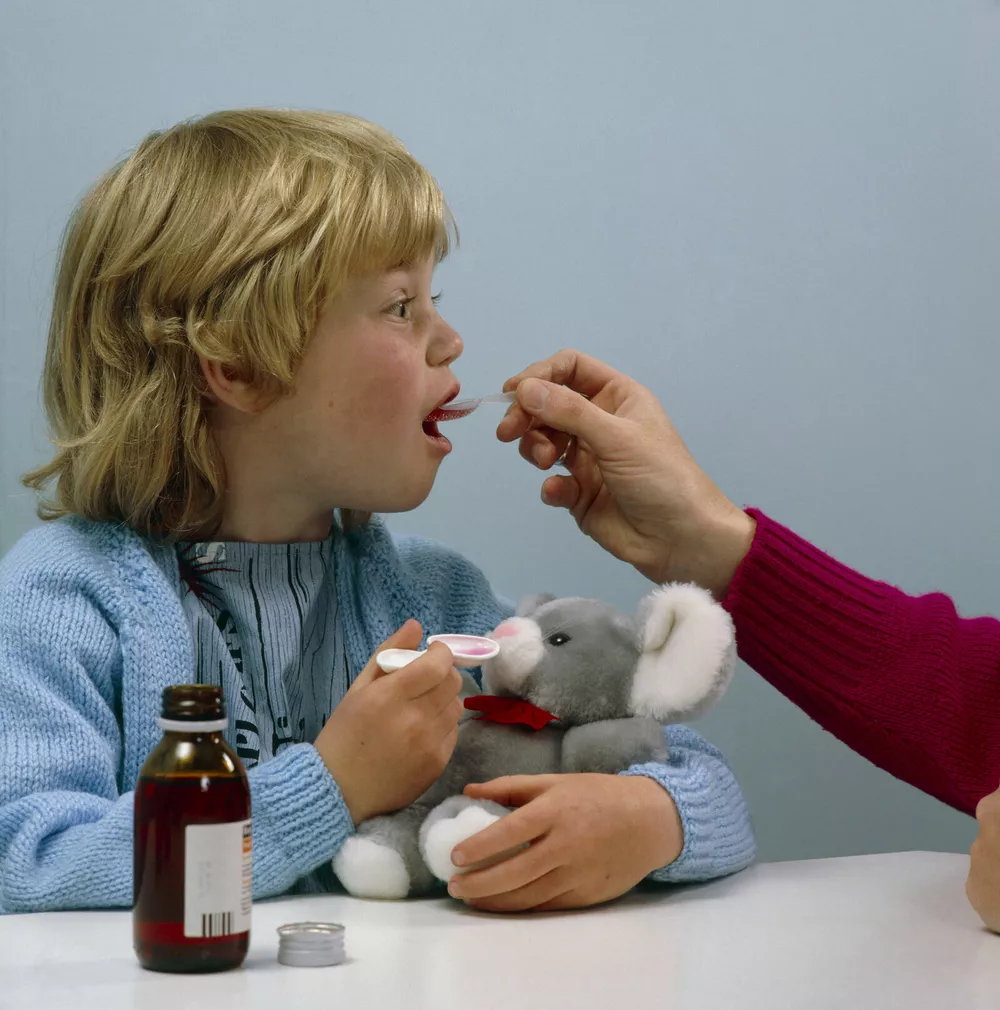
- “The teddy bear is sick” – the toy goes through all the procedures together with the child.
Such rituals reduce resistance and help the child feel not like a patient, but like a participant in the game. But success in this approach, according to psychologist Zabava Zvon, is:
Knowing what the child is truly interested in. If they’re fascinated by dinosaurs, then the pills are dinosaur eggs that will hatch in their belly and wreak havoc on their enemies. If a child loves building blocks, it turns out they’re helping their body build defenses against illness. If a child enjoys space, then inhalation therapy is part of astronaut training. It’s important to have some reality in the game—for example, don’t promise that cough syrup will give your child superpowers, as this can lead to disappointment and loss of trust.
The Power of Predictability
Children cope with anxiety more easily when they understand what awaits them. The same syrup cup, a familiar bedtime story, or the same phrase from mom before the procedure become “islands of stability.” These repetitive elements also provide a sense of control: the world is still familiar and safe, even if the body fails.
Zabava Zvon explains:
Illness is a time of increased uncertainty, strong and new sensations in the body, unfamiliar feelings, discomfort, and tension. Routine, predictability, and goodwill are the best ways to combat anxiety. The feeling that life is ordered restores stability and support, which can be shaken by an unexpected illness. A schedule with pictures, which includes procedures, tasty food, and reading books, works great.
Speak in plain language
Complicated explanations “about viruses and immunity” are of no use to a child. Metaphors and fairy tales are much clearer. Illness can be described as “rain on the nose,” and medicine as “the sun that disperses the clouds.” Another way is to role-play the treatment with toys. When the teddy bear drinks syrup or inhales it, it’s easier for the child to accept the procedure and become involved in the process.
The psychologist suggests the following strategy:
Remember yourself when you were the same age as your child now. Try to find words that would sound both clear and soothing to your little self. Say out loud what you’ve come up with and observe your body’s reaction. If you feel relaxed, then you’ve found the right words! The general recommendation is this: explain directly what can be explained directly. But the image of the body as a castle, a fortress within which many important things happen, is also suitable. And illness is what attacks the fortress; and then treatment is a way to strengthen the fortress so that it can withstand. For some, a metaphor about a garden, about a planet, in short, about a closed system that maintains itself and requires care and attention, might be suitable. Try not to frighten your child, but emphasize the possibility of recovery and keep the focus on how to protect and heal yourself. Children are afraid of everything new and unknown. Therefore, here are 4 simple steps on how to respond to fear of treatment:
1. Explain as clearly as possible in terms the child can understand what is happening. Share your experience.
2. Create a positive image of the treatment – read about the good doctor Aibolit, never threaten with injections or hospitals.
3. Always talk to your child about the reasons for their fear. Some are afraid that it will definitely hurt, or that they will be forced, or that they will be taken away from their mother. There are also completely different scenarios – this is influenced by what the child has heard from others, what they saw on TV, or how they understood an adult conversation they had in front of them. Find out the cause – you can work on it.
4. Try to use negotiation rather than pressure—the former is more effective in the long run. For example, if you have to take an unpalatable pill, give your child time and experience the despair and injustice of the world together. Never trick your child into taking the medication. This may work for treatment, but it will be detrimental to the relationship.
Safety Language
When children have a fever and are weak, it’s especially important to feel like they have an adult nearby who can help them cope. Hugs, a confident voice, a cozy blanket, or a favorite toy help reduce anxiety and speed up recovery. This is the same safety language that tells the child, “You’re not alone, everything is under control.”
Don’t bundle up your child or force them into itchy woolen socks. Instead, try to maintain your normal routine as much as possible. And also:
Sometimes there are stages that need to be gone through, and each of them must be accepted calmly. The balance will be restored in any case! – says Irina Kazmenkova, Darina’s mother and key account manager for a French cosmetics company:
Learn more about how the mothers from our project cope with illness in this video.