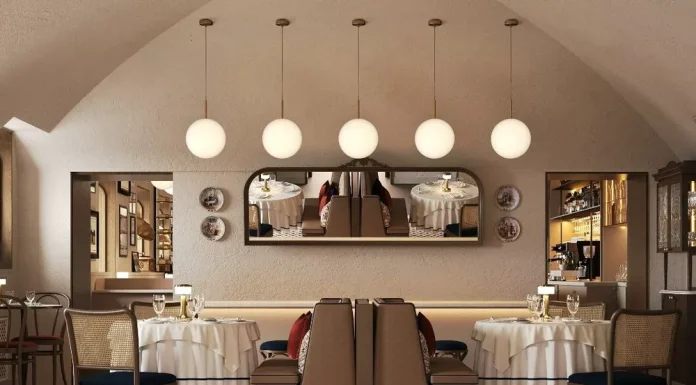

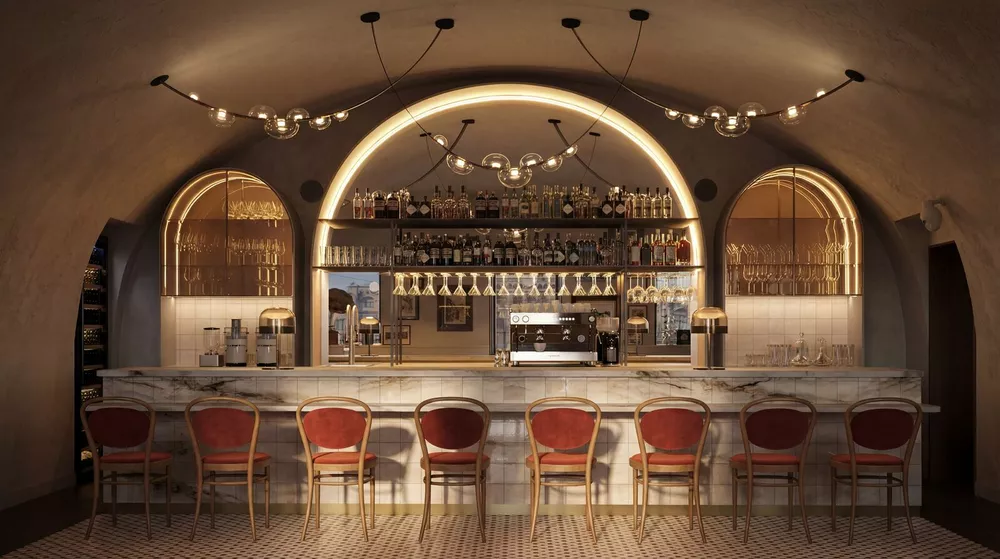
A French brasserie in the classic sense is the golden mean between a bistro and a restaurant: delicious, beautiful, with decent wine, sometimes even white tablecloths, but not as pretentious as a restaurant. The essential hallmarks of a brasserie: a vintage interior, eclecticism, natural warm colors, an abundance of mirrors, both beveled and plain, small tiles, light zoning, and multi-layered design – all of these are characteristic of modern projects that present French traditions with a modern twist. Of course, France also has iconic brasseries, some steeped in history and rich in the ambiance accumulated over many years of existence. In Russia, we can only quote similar examples, trying to convey the spirit of art de vivre. Moreover, St. Petersburg, with its historic buildings, aesthetics, and unhurried pace, is perfectly suited to the lifestyle conveyed by a brasserie.
In March Brasserie by Academia opened on Vasilievsky Island – a project of the Academia Group that manages projects for the preservation and restoration of cultural heritage sites in both capitals. The sites are far from random: usually these are historic mansions in the city center, previously owned by representatives of the Russian nobility – Shuvalov, Volkonsky, Teplov, Vorontsov-Dashkov, converted into boutique hotels. The stylish and cozy brasserie is located in just such a building with a special status, where the Academia Vasilievsky Hotel is also located. The hotel’s proximity means we offer early breakfasts, of course, with good coffee and freshly baked croissants.
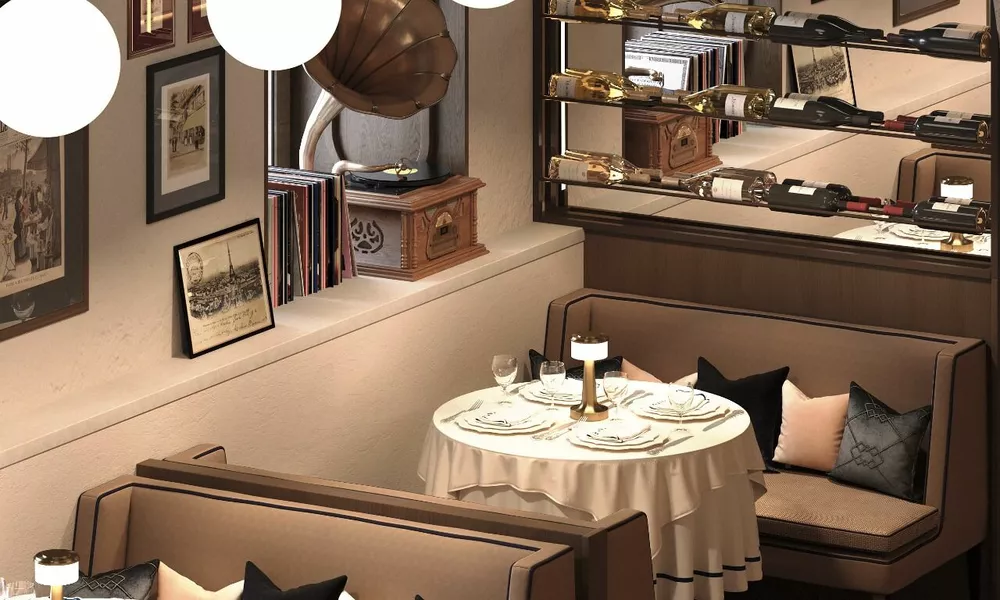
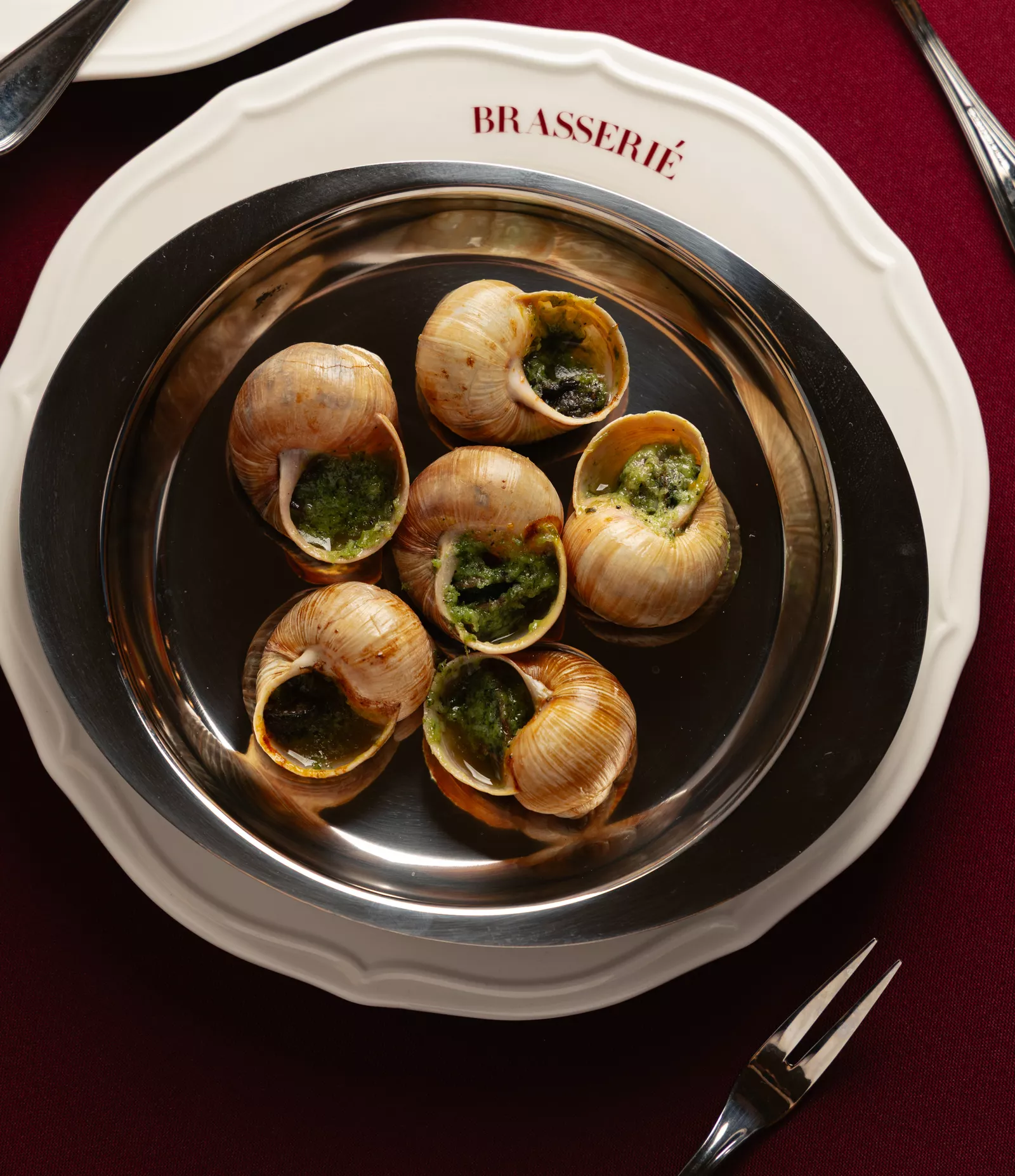
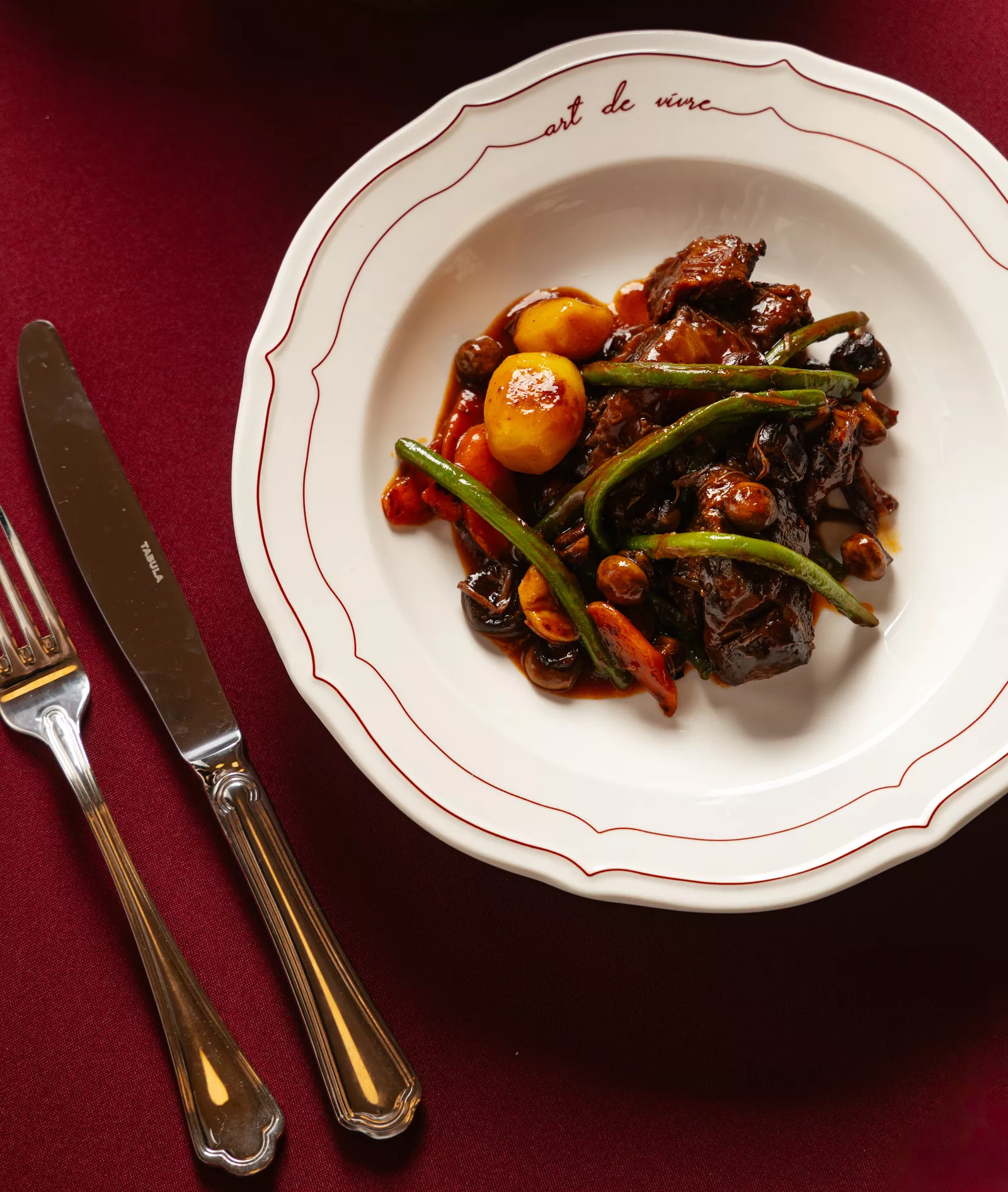
The clear and comprehensive menu carefully follows French canons. To convey the authentic atmosphere and taste of the dishes, the team led by brand chef Ilya Kharchenko traveled around France, getting to know the authentic tastes of Paris, Lyon, Bordeaux and Rouen. The first is represented at Brasserie by Academia with morning rituals, the famous onion soup and cocktail French 75; the second – Cervelle de canut made from cream cheese and Paris-Brest cake; the third is agedBordeaux wine Chateaubriand; cider and Calvados are also “borrowed” from Rouen. Also, the menu couldn’t help but feature boeuf bourguignon, Bourguignon snails, tarte tatin, glazed madeleines and all kinds of cheeses (they are supplied by Russian producers, but they are practically as good as French ones).
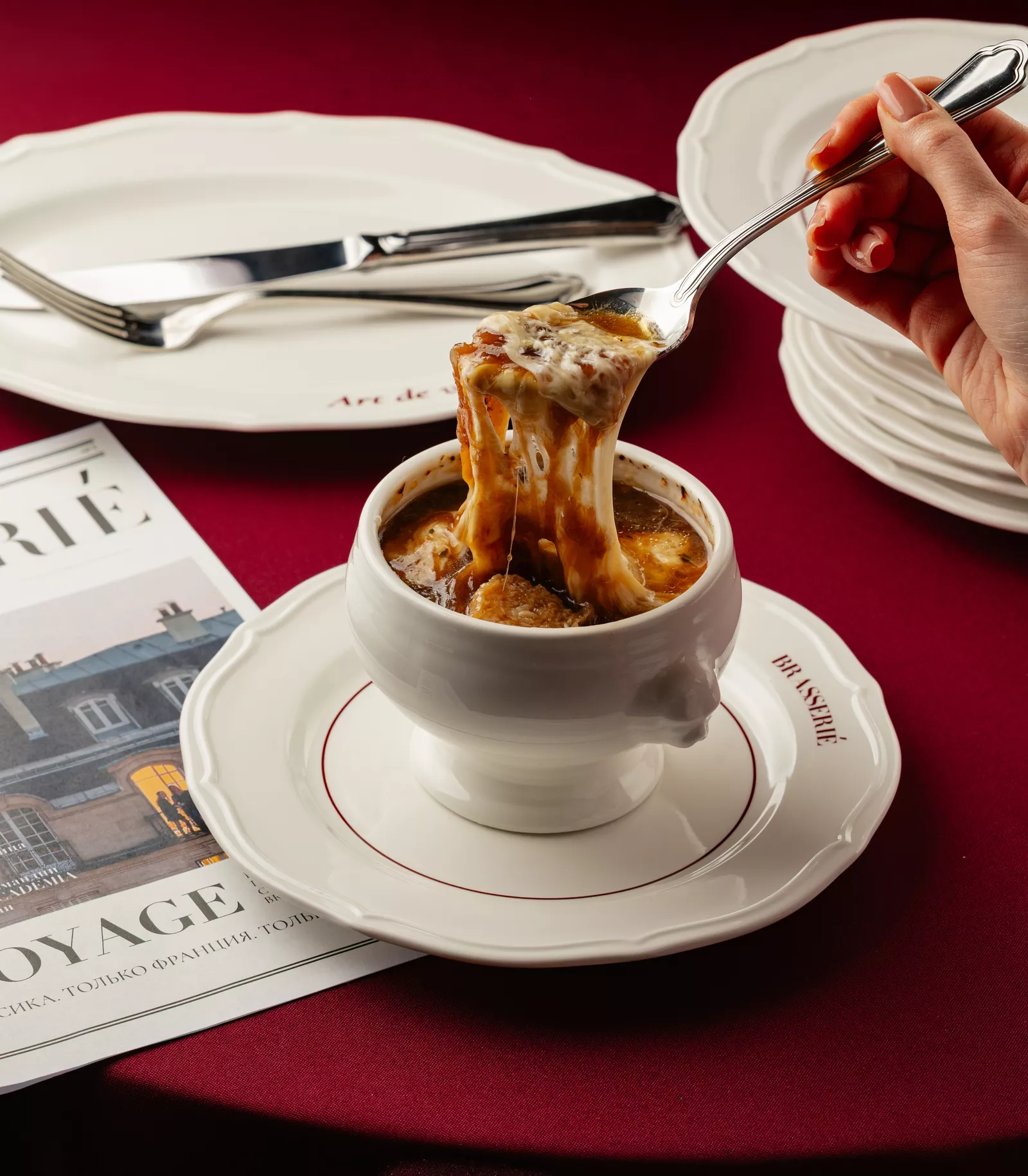
Onion soup
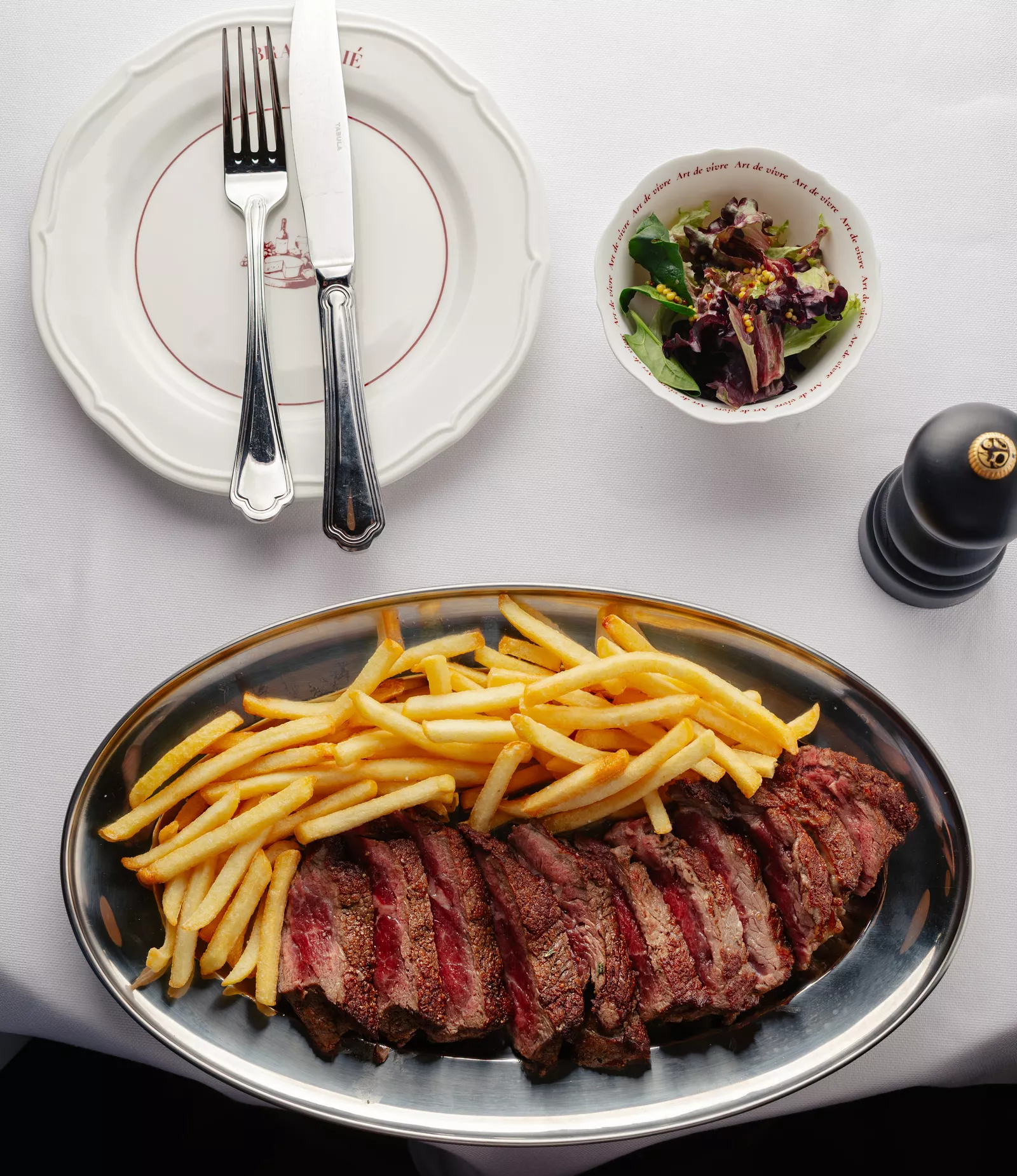
Entrecote with French fries
 Madeleine
Strawberries with cream and bourbon vanilla
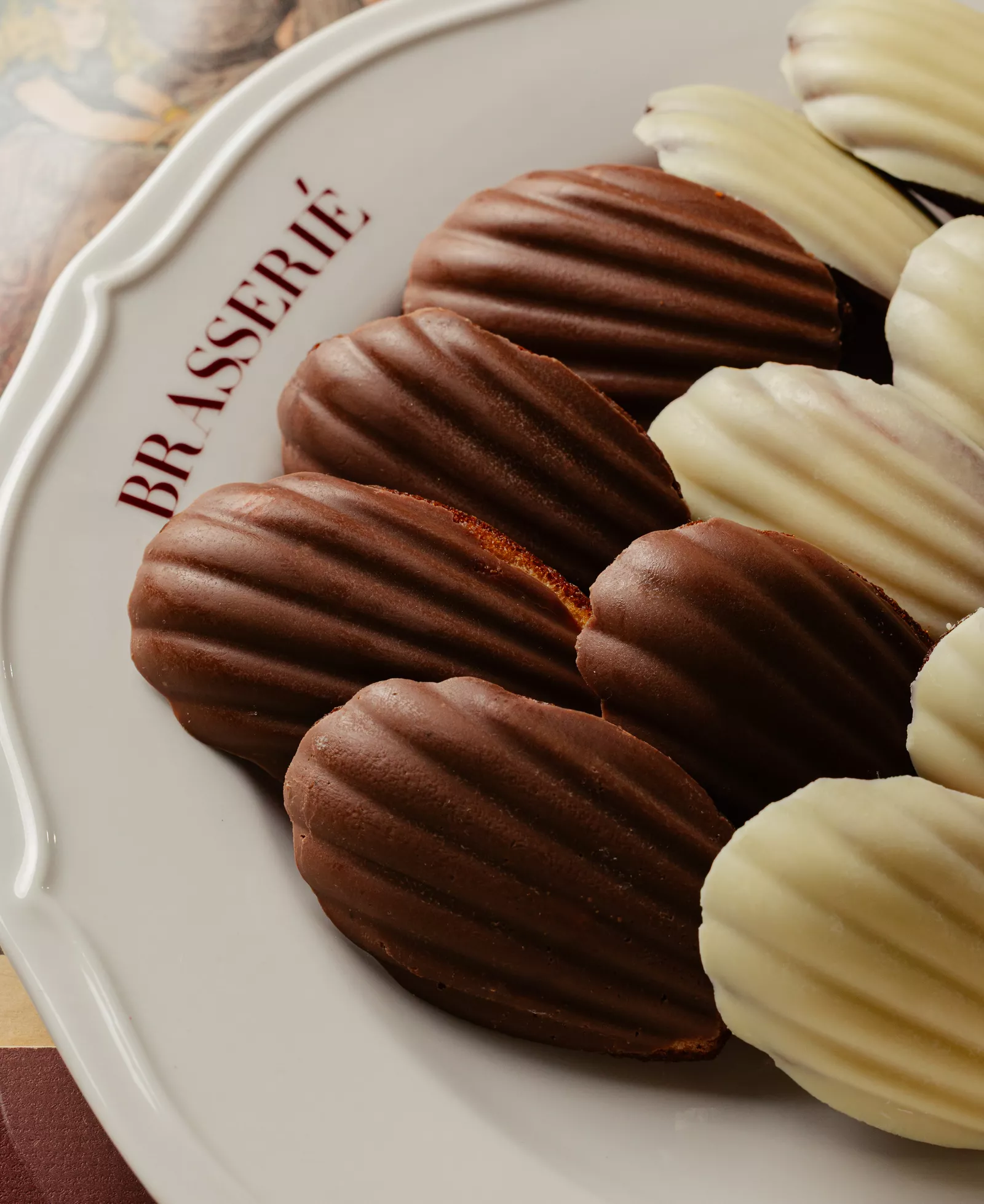
“Paris-Brest”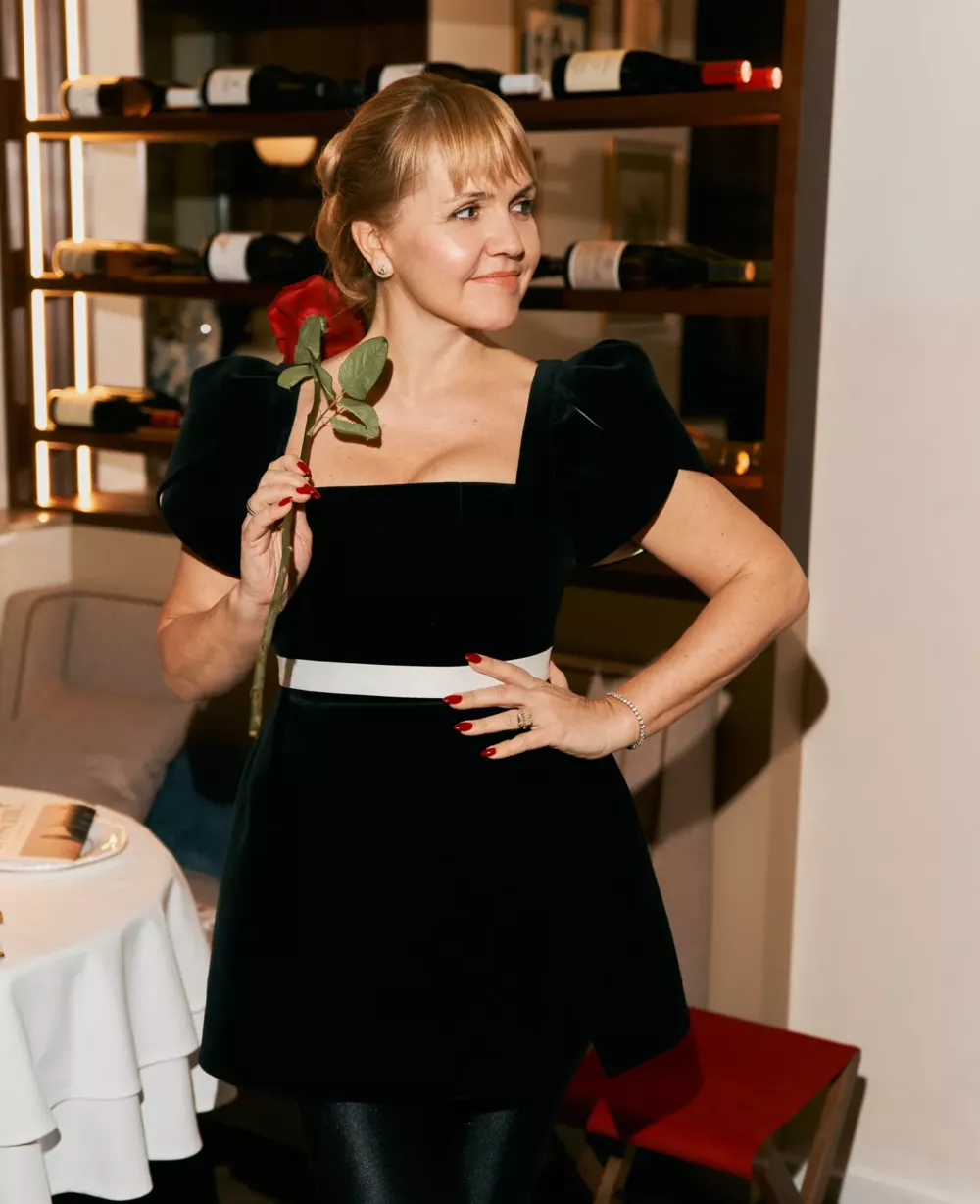
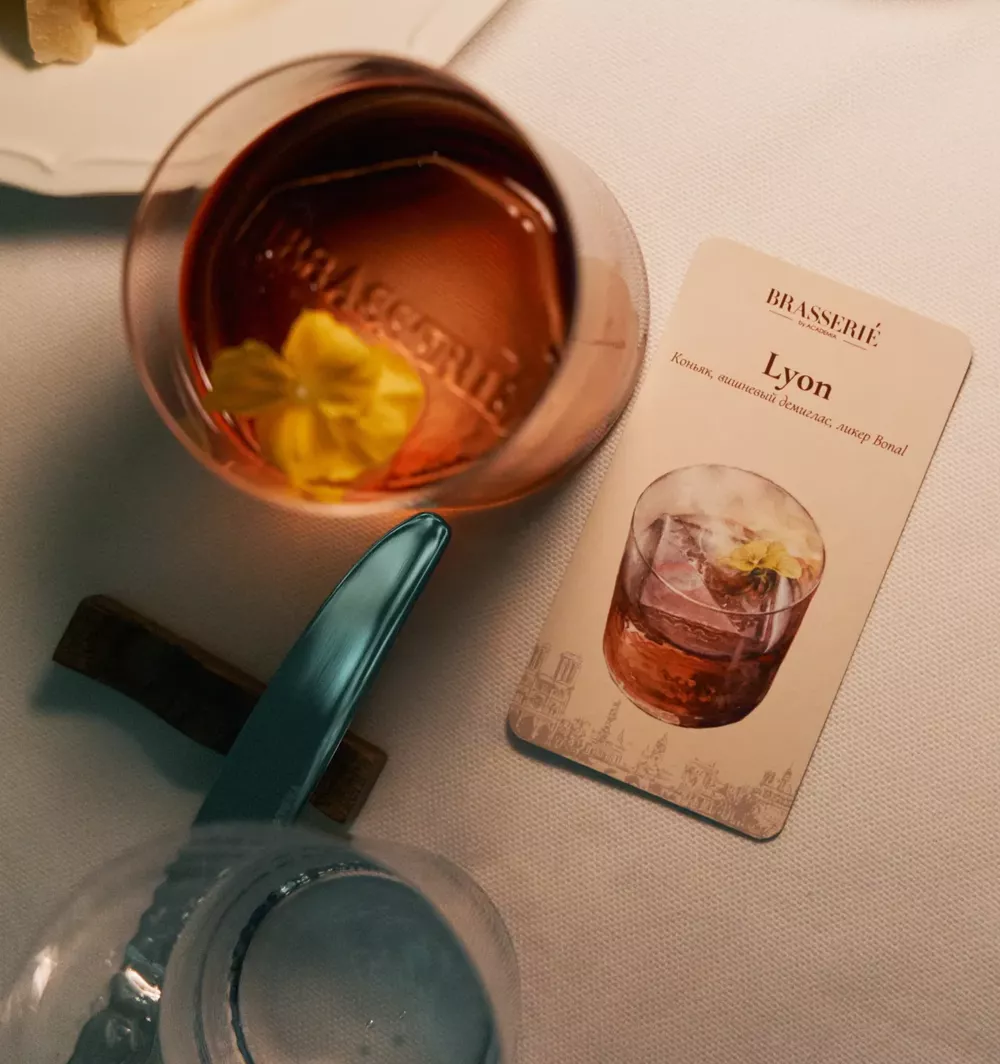
The young and passionate chef Ilya Kharchenko, in charge of the kitchens of all restaurants of the Academia group, is convinced that the product is the beginning of all beginnings. He has a subtle sense of it, focusing on taste and balance, reverently treats the classics, forming a modern “superstructure” on it. In positive traditionalism, he is supported by brand chef–bartender Daniil Leman. For the brasserie, he created a cocktail menu consisting of eight signature, four classic, and three dessert mixes, which form the number 843 – the year of the signing of the Treaty of Verdun: this is the date of the division of Charlemagne’s empire into three states, as a result of which France was formed from the West Frankish Kingdom.
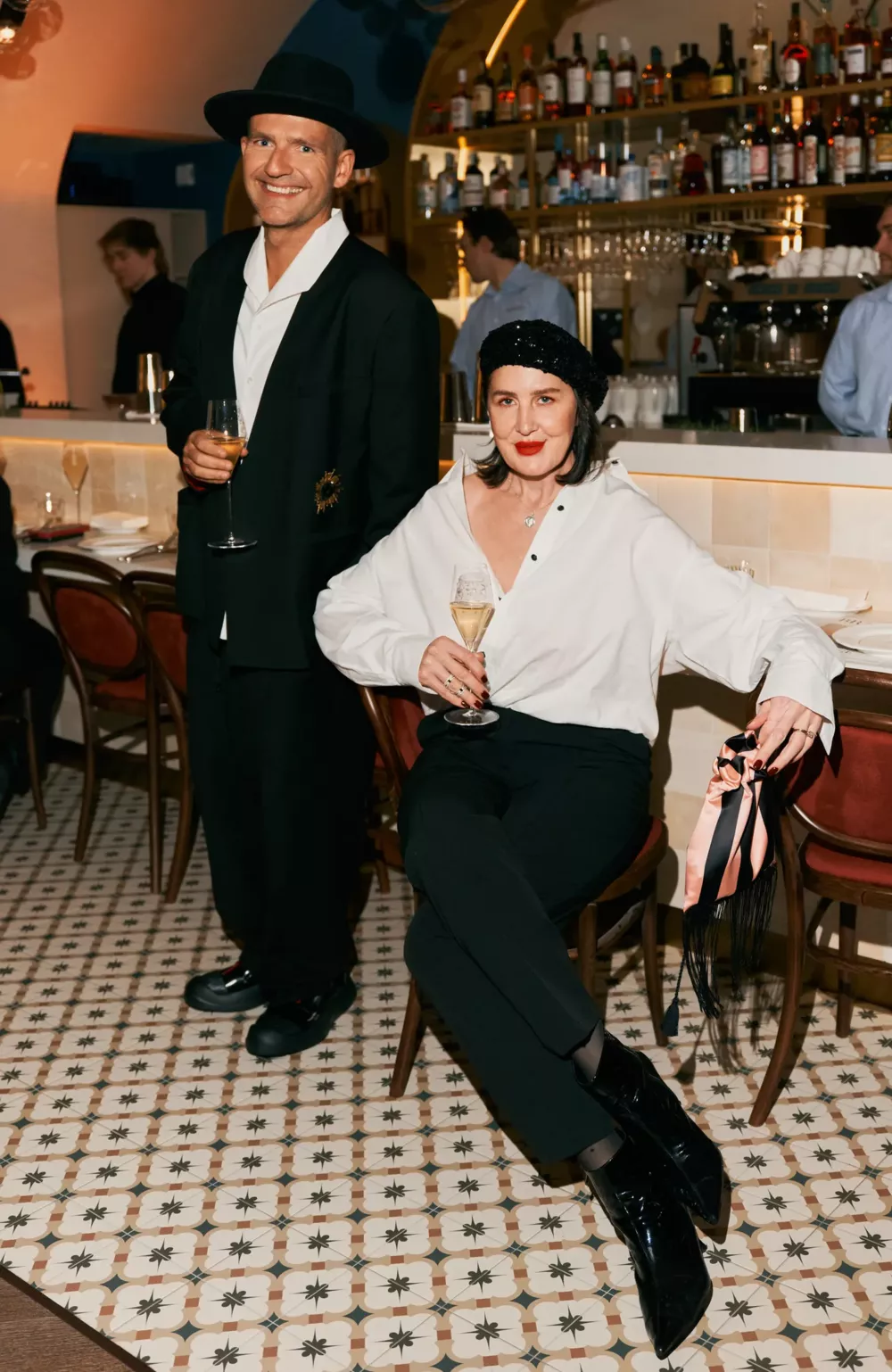
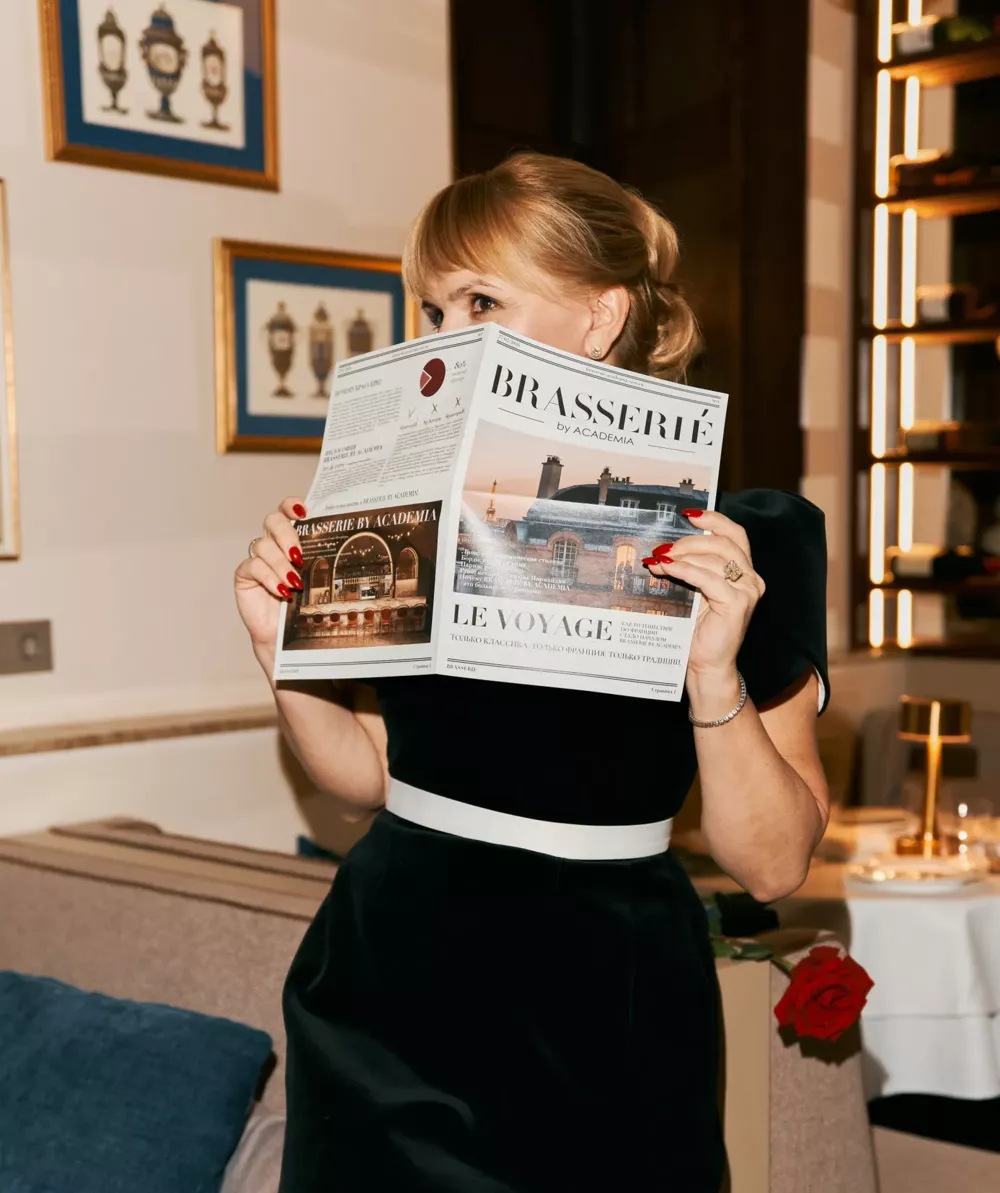
In addition to the interior, food, and wine, the atmosphere and communication play an equally important role for the brasserie. Relaxed conversations, intelligent dialogues, heated discussions, and casual flirting – all this can be observed in both rooms of the Brasserie by Academia. The St. Petersburg establishment promises to be quite social – it’s no wonder that its opening was attended by regulars of fashionable parties and glamorous presentations: Irina Oganova, Maria Cheblakova, Anton Nechiporenko, Olga Maki and others.
Irina Oganova
Anton Nechiporenko and Olga Poppies
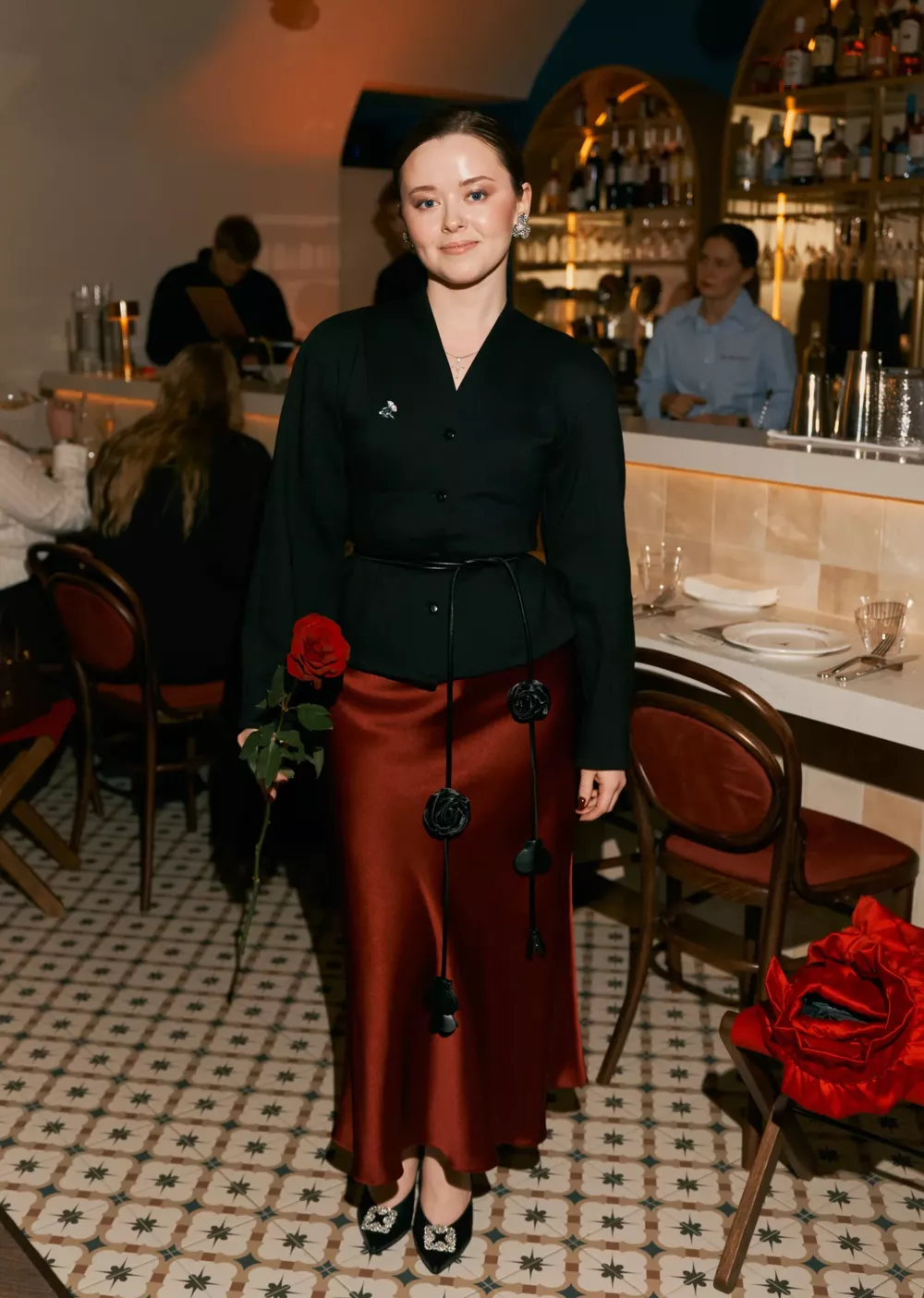 Polina Titova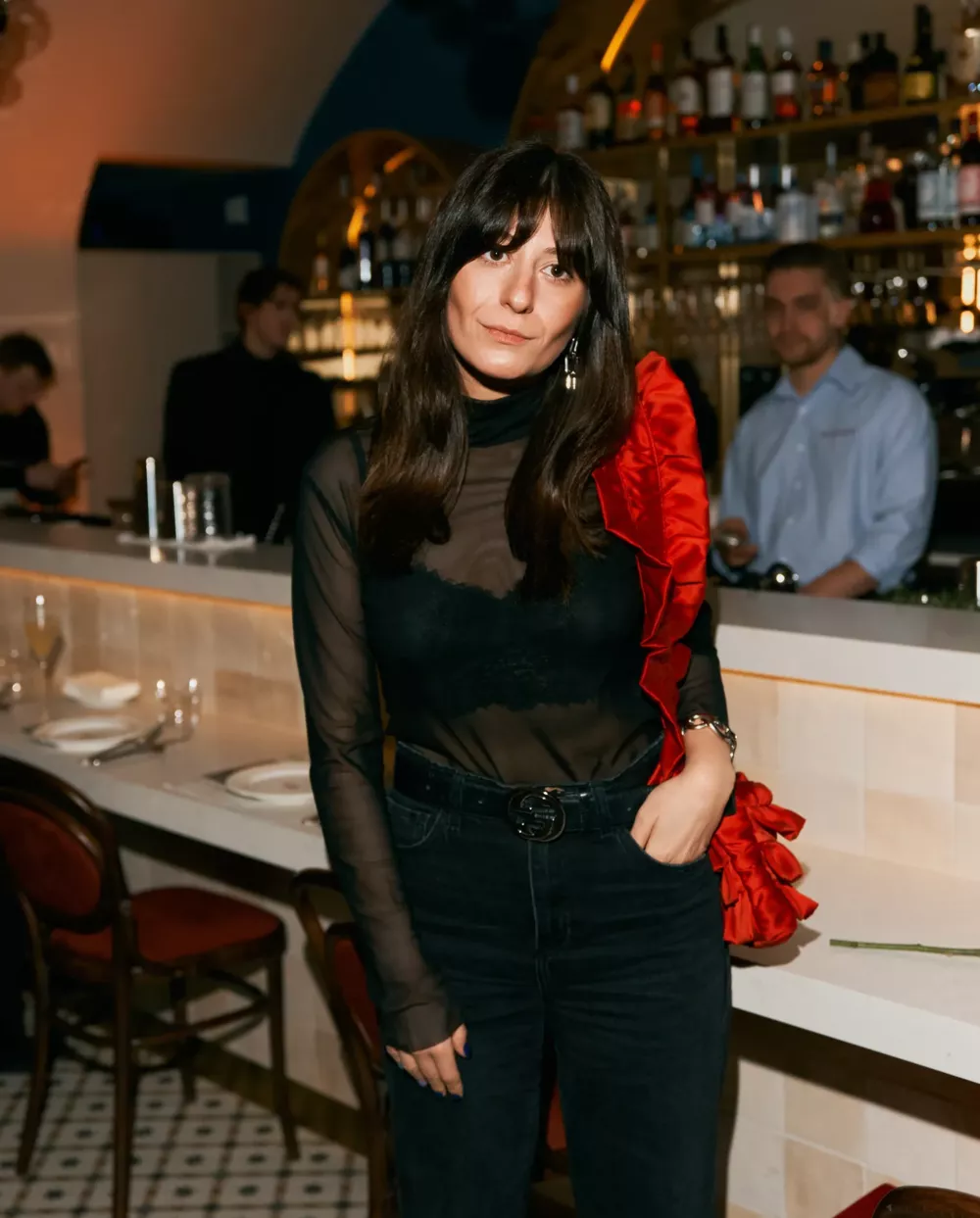
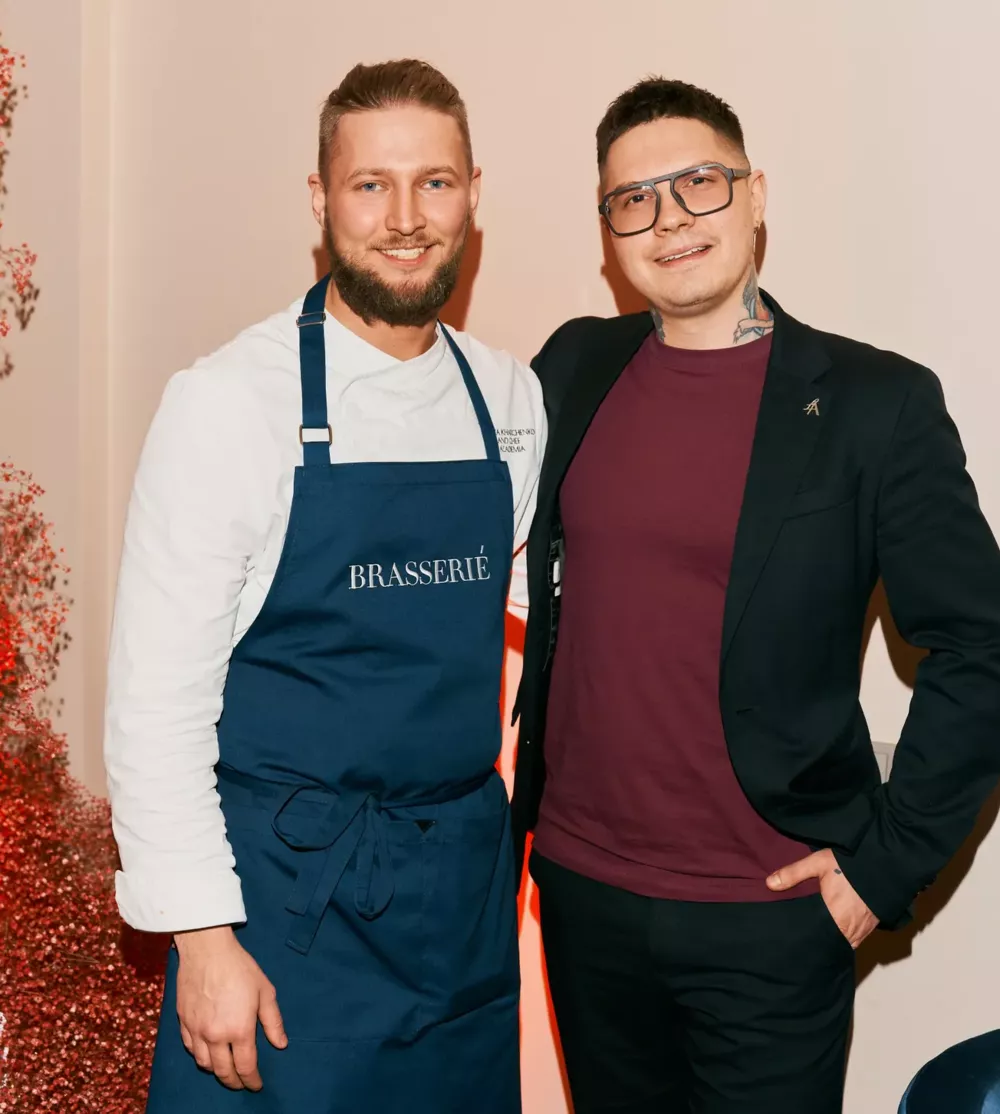
Ilya Kharchenko and Daniil Lehman