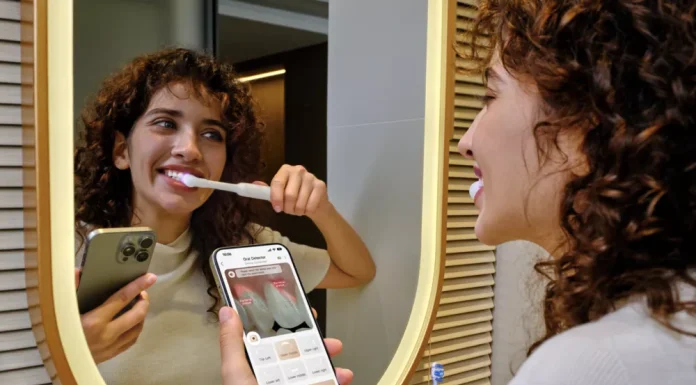

People in their daily lives and routines fall into two categories: traditionalists and experimenters. A self-propelled robot is a substitute for a regular vacuum cleaner, an air fryer is a substitute for a gas oven, and a sleep tracker is a substitute for a bedtime story. The same can be said about attitudes toward oral hygiene. Some people invariably brush their teeth with a manual (i.e., regular) toothbrush, while others, having done their homework, opt for a smart electric gadget. We asked dentist Maxim Obushenkov which one to choose.
What are the pros and cons of an electric toothbrush compared to a regular one?
Speaking of the pros, it’s worth noting that an electric toothbrush removes plaque dozens of times more effectively due to its high vibration frequency. A manual toothbrush can’t clean teeth as thoroughly. An electric toothbrush also uses cavitation: during brushing, a mixture of toothpaste, saliva, and water forms bubbles. When they collapse, they produce shock waves that separate plaque from the enamel. Furthermore, an electric toothbrush makes brushing easier and requires less skill: the technique is simpler, and two minutes is enough for a complete procedure. Manual toothbrushes require longer brushing times. Electric models often come equipped with a timer and a pressure sensor to protect enamel and gums, and also have different modes. The main drawback, of course, is the price: the brush itself and replacement brush heads are more expensive. Also, pressing too hard without a pressure sensor can wear down the enamel.
Can an electric toothbrush clean the enamel surface as thoroughly as a regular toothbrush?
An electric toothbrush is just as thorough as a manual toothbrush, and with the right approach, it can even surpass it. It can perform over 40,000 strokes per minute—a performance that a manual toothbrush can’t match. Plaque is removed more effectively, especially in hard-to-reach areas where cavities often develop. Furthermore, a built-in timer with a reminder to change brushing zones helps ensure you never miss a spot.
But why do most of us still brush our teeth the old-fashioned way? Firstly, out of habit, and secondly, due to a lack of awareness and an underestimation of regular and proper oral hygiene. A person may simply not see the point in buying an expensive gadget. There’s also a common fear of damaging teeth—that strong vibrations could cause fillings to fall out. However, dentists assure that with proper use of an electric toothbrush, such fears are unfounded.
HELLO! Editorial Team I decided to test several new products for 2026 to understand how these devices work and determine who I would recommend them to.
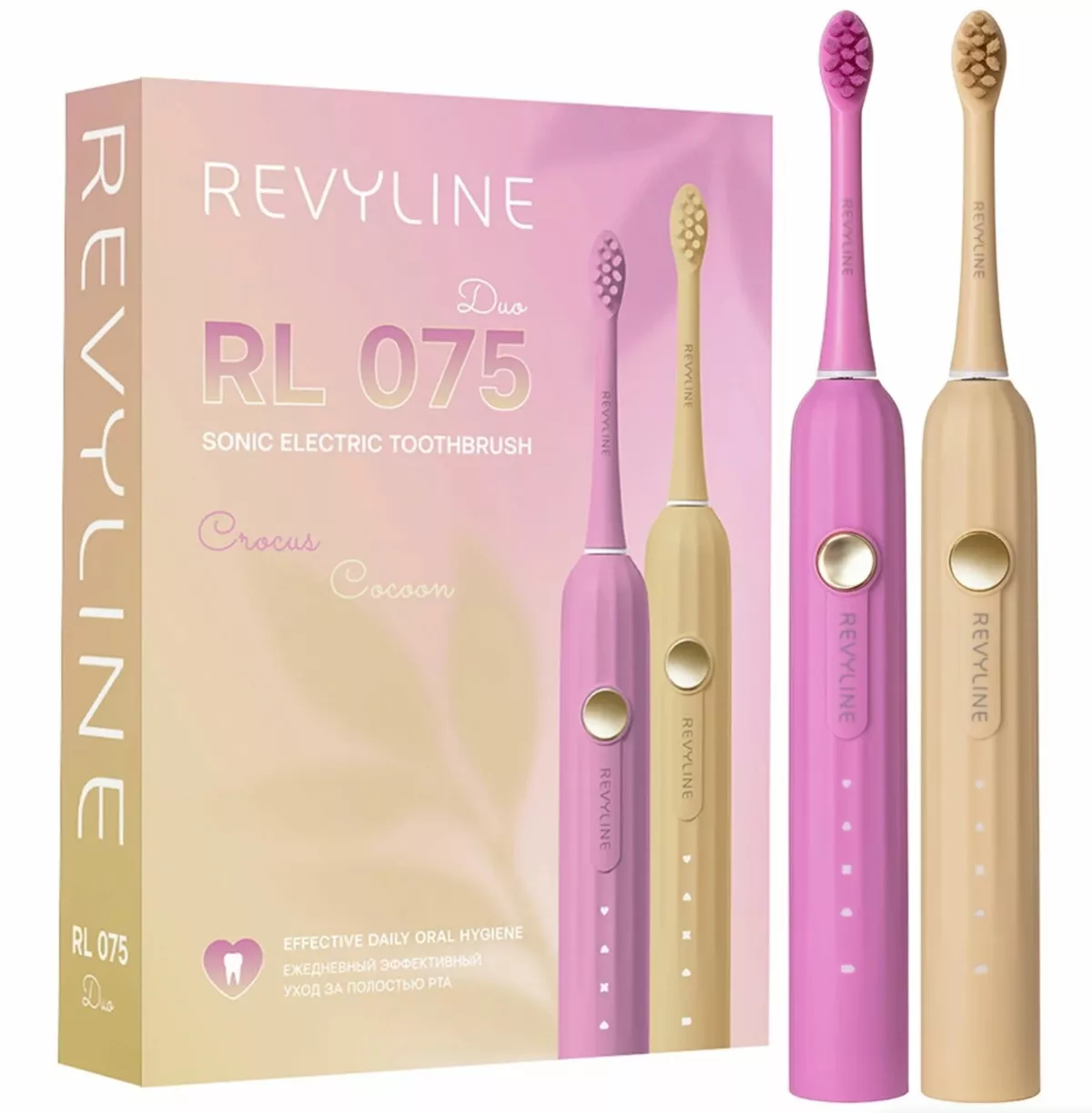
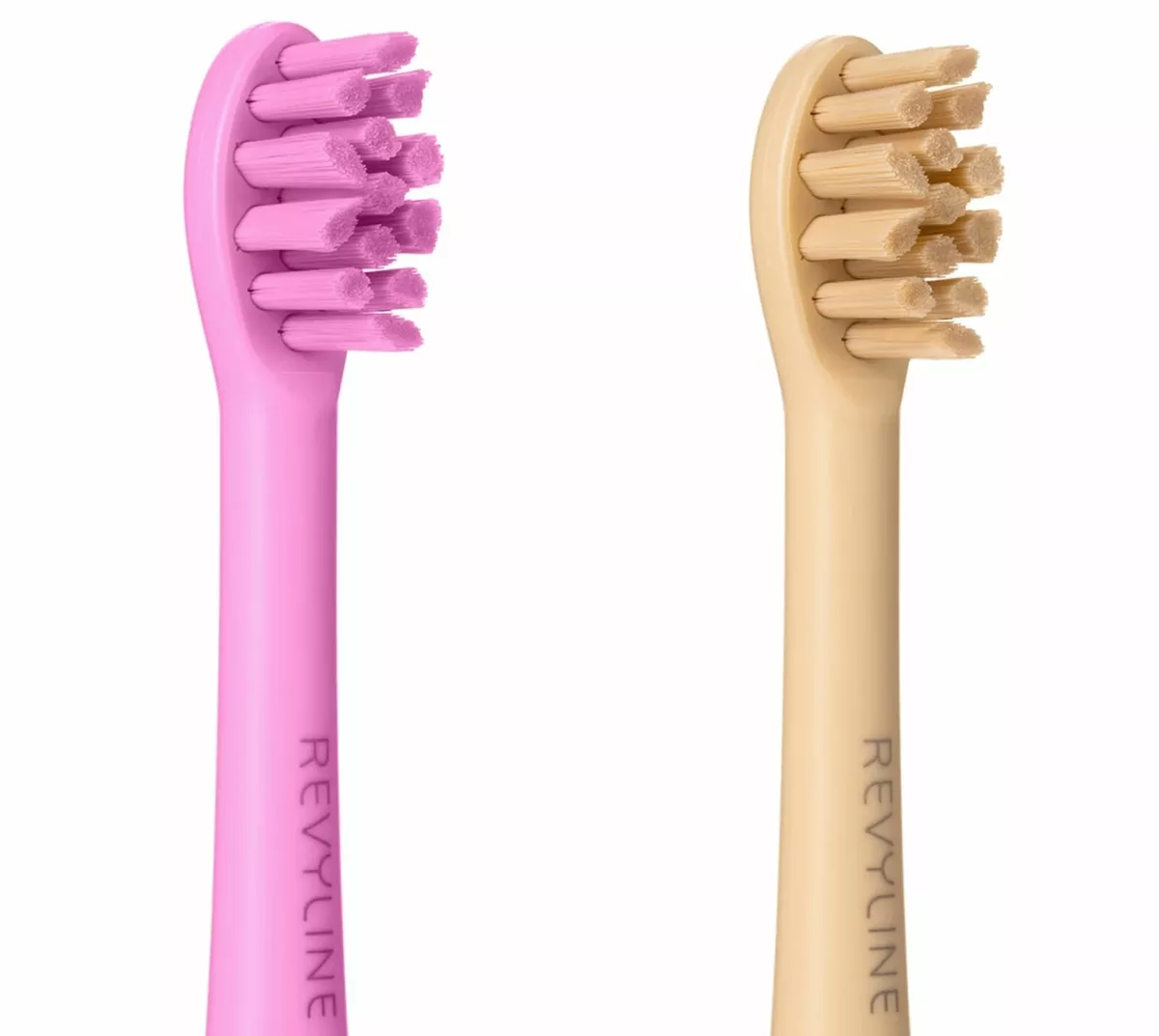
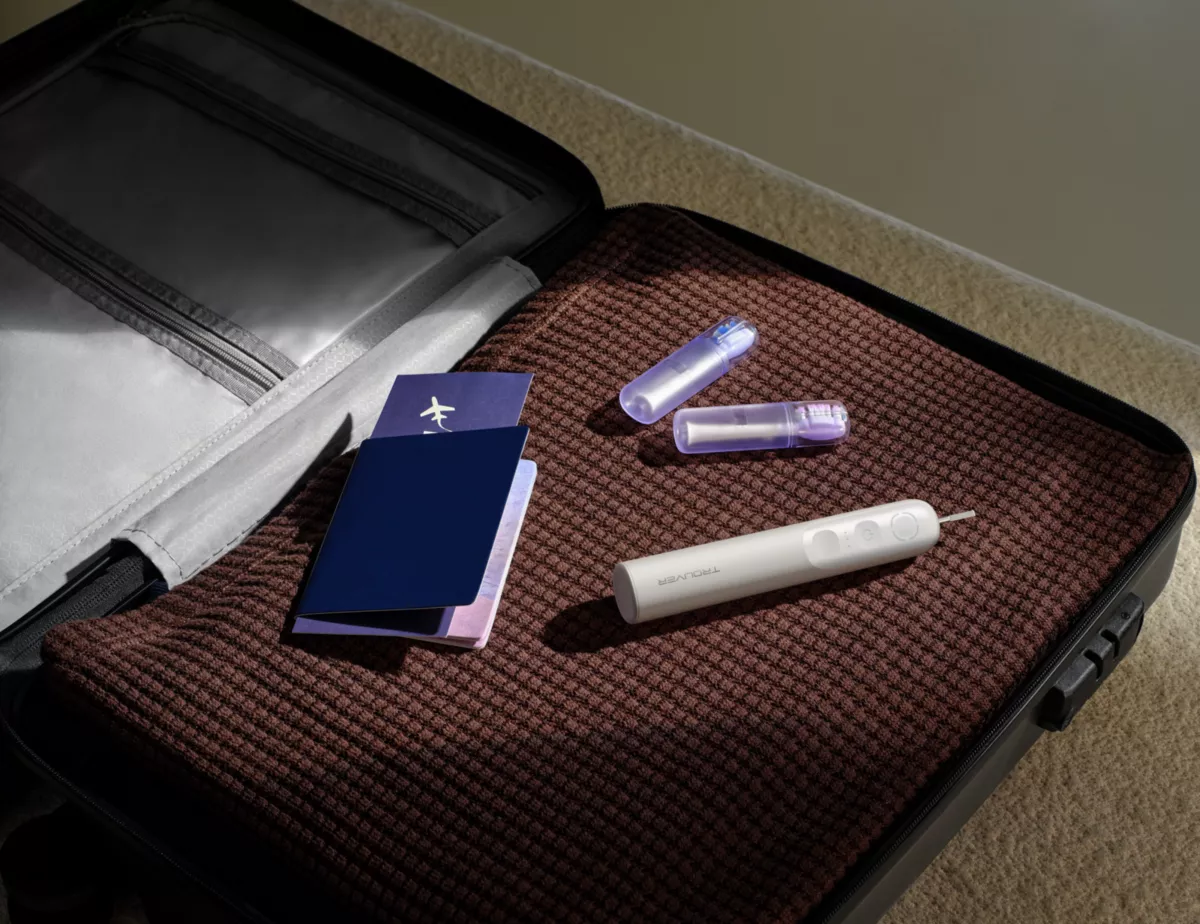
The Revyline RL 075 DUO Crocus + Cocoon electric toothbrush duo is likely to be suitable for those who like to travel, especially when used as a couple. Both brushes are bright and eye-catching, and have two replaceable heads in sealed tubes for travel. The cleaning head, covered with premium DuPont nylon bristles, is very compact, allowing you to reach even the most hard-to-reach areas. The brushes have a charge indicator and four intensity modes. The timer, programmed for two classic minutes, makes a short pause every 30 seconds to remind you to change the cleaning zone.
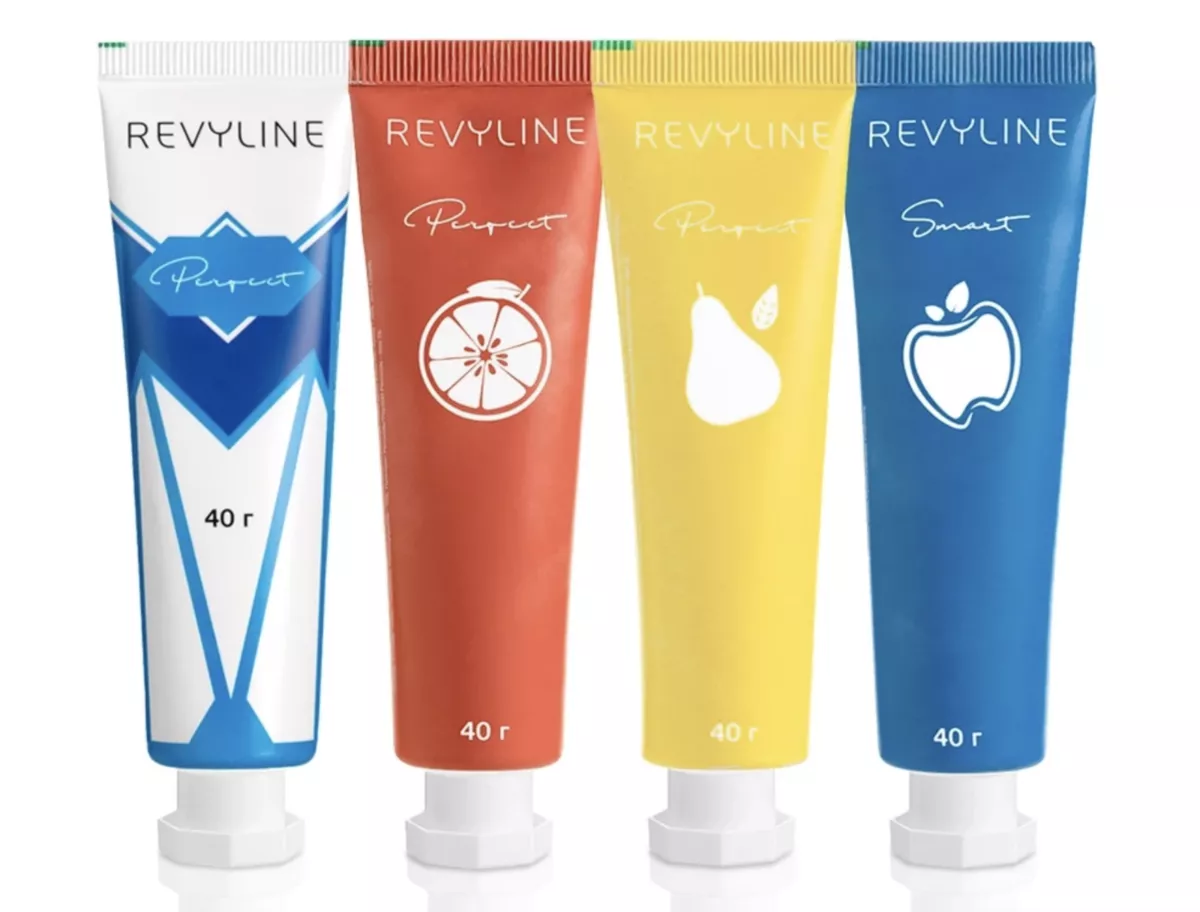
In addition to the brushes, Revyline also offers a range of miniature toothpastes with hydroxyapatite to seal cracks in the enamel, xylitol to fight bacteria, sodium fluoride to prevent plaque formation, and probiotics to maintain healthy microflora. The mini-pastes come in four flavors: vanilla condensed milk, juicy grapefruit and bubblegum, aromatic pear and osmanthus blossom, and classic mint. HELLO! journalists We travel frequently and a lot, so we appreciated not only the original flavors, but also the compactness.
If you can’t imagine life without smart bracelets, rings that flash numbers, all kinds of sensors and artificial intelligence, then check out the Fresh 20 Vision toothbrush, which was presented this summer by the international brand Trouver. The model uses a detector and a 300,000-pixel camera to create a plaque map, and AI adapts the operating mode to the situation in the oral cavity. The user sees the whole picture in the app and receives voice prompts. You look in the mirror and glance at your smartphone – and there, in real time, all the “navigation” is presented.
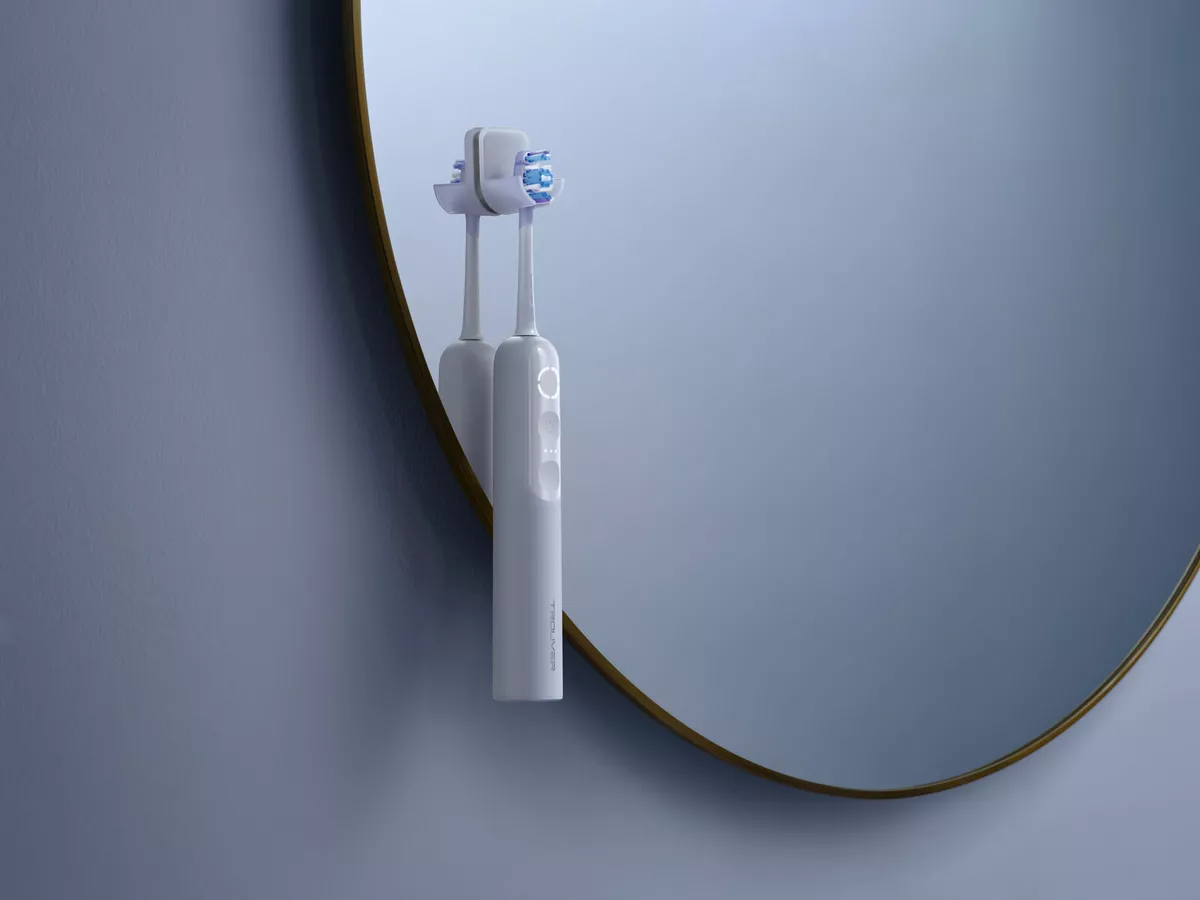
In addition, this model and another new product, Trouver Fresh 20 Neo, use the proprietary Sweep & Sonic technology – sonic vibrations combined with the “sweeping” movements of the bristles. Fresh 20 Neo is focused on deep yet gentle care. It gently vibrates and reproduces the Bass technique – movements that dentists recommend for manual brushing. The bristles smoothly adapt to the shape of your teeth (the set includes attachments for whitening and for sensitive teeth), and a sensor – a ring light on the body – is responsible for quality control. This toothbrush is suitable for beginners who are just getting acquainted with electric gadgets – so they can immediately feel the difference from manual brushing.
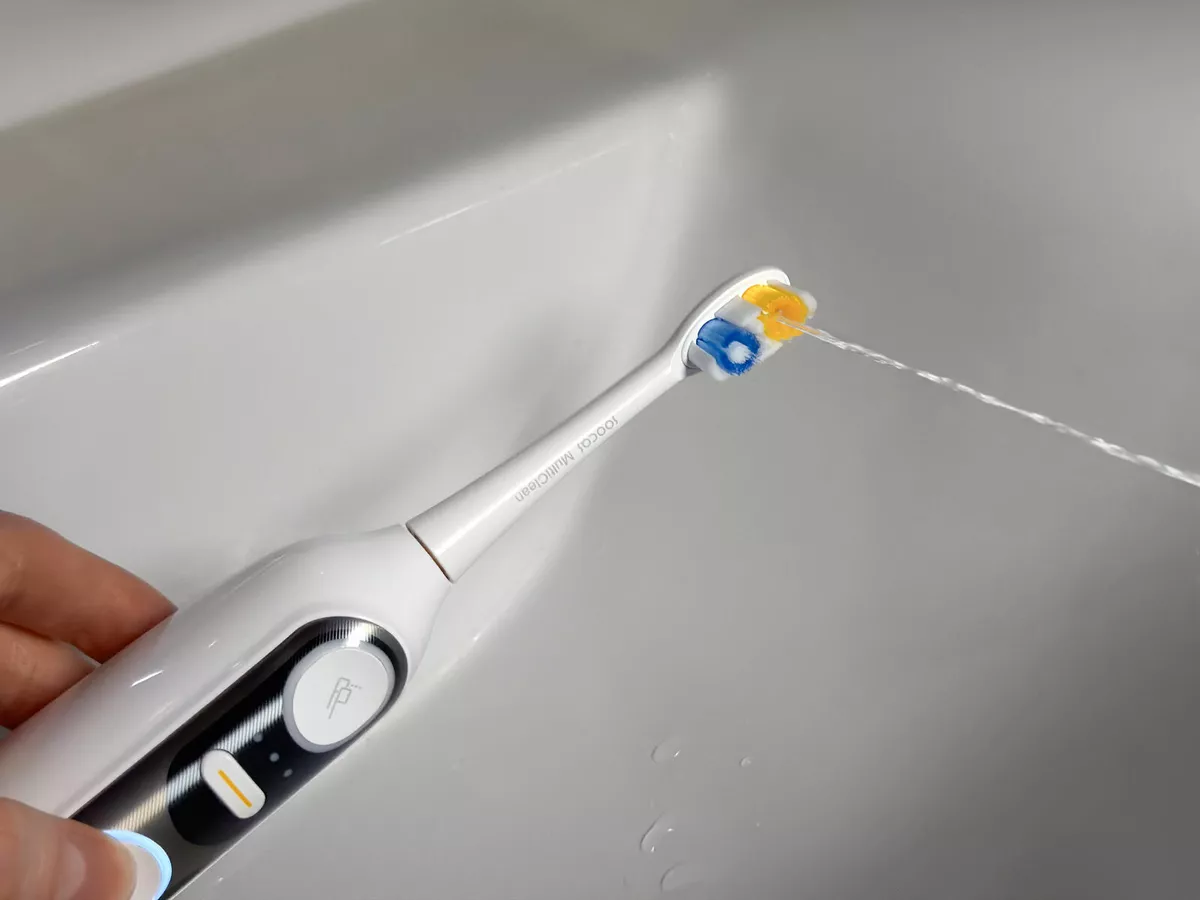
And finally, if your dentist strongly recommends you buy an irrigator and use it regularly, you can save space in your bathroom (and money too) by turning to the Soocas Neos II model. As you know, a regular irrigator is quite bulky, but this electric toothbrush has one built in. This multifunctional device simplifies your care routine, frees up space, and allows you to take fewer items on the go. The device has a built-in water reservoir. It also features a pulsed jet for cleaning hard-to-reach areas between teeth. A two-minute timer reminds you to change the cleaning zone and then automatically switches the brush to irrigation mode.
Overall, the final choice—manual or electric—is entirely up to you. And then, if you lean towards electrical appliances and advanced models, almost limitless possibilities will open up.