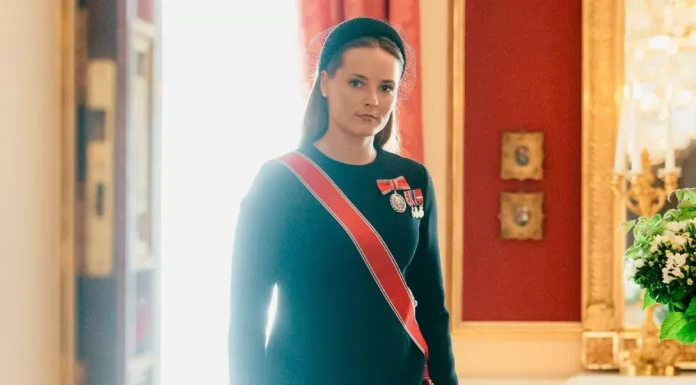

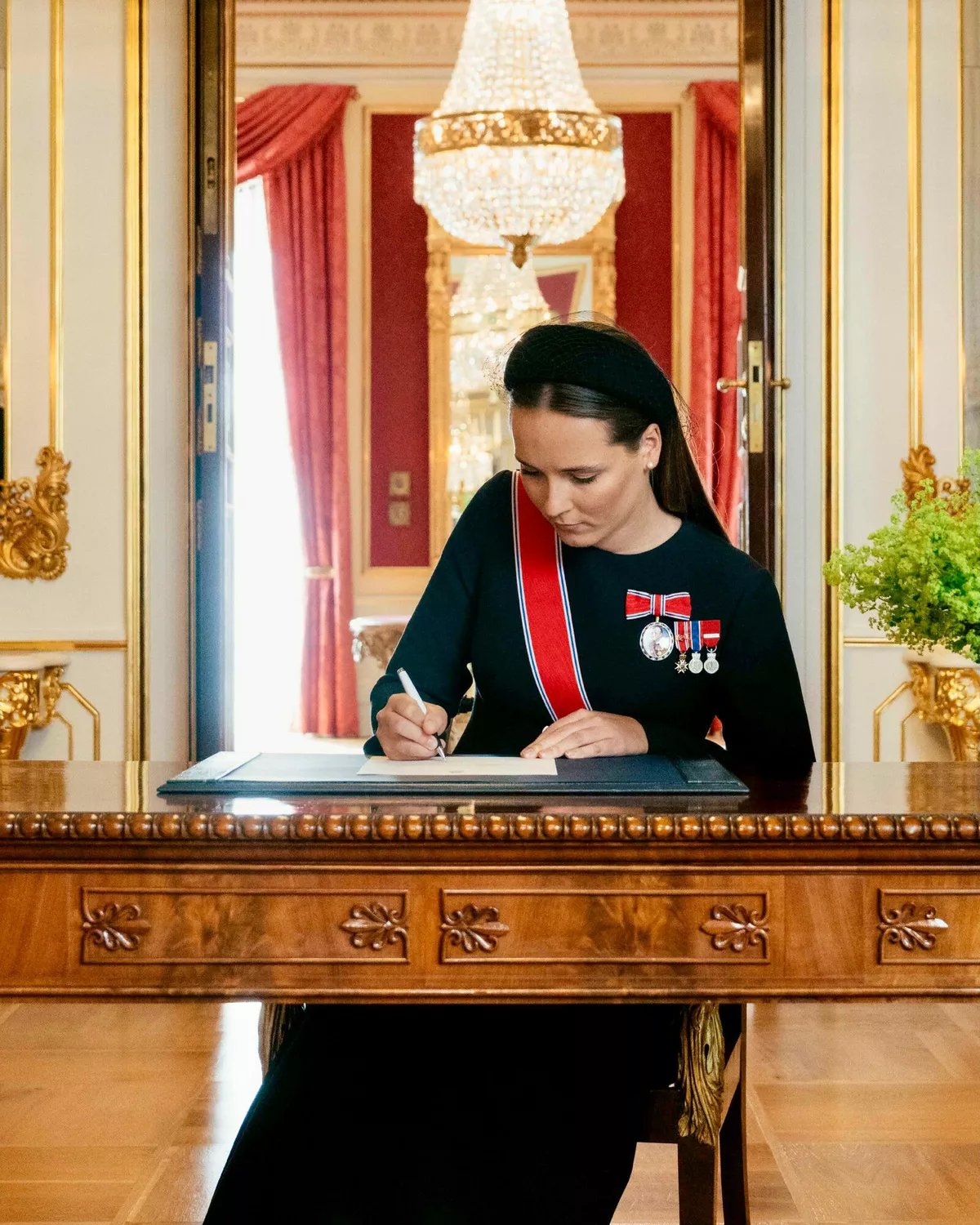
On September 1, 2026, 22-year-old Princess Ingrid Alexandra signed the constitutional oath before the Norwegian Parliament (Storting) at the Royal Palace in Oslo. The ceremony took place four days after the death of King Harald V on August 28 and the accession of her father, King Haakon VIII. From that moment on, Ingrid Alexandra officially became Crown Princess and first in line to the throne.
What does the signed oath provide?
By signing a written declaration before the Storting, the Crown Princess received the legal right to act as regent in the event of the King’s absence, illness, or temporary incapacitation. This means that during periods when Haakon VIII is abroad on official visits or undergoing treatment, she will temporarily chair the Council of State, receive ministers, and sign laws. According to English-language media, this is the first time in modern Norwegian history that a woman has signed such an oath as a direct heir.
Why her
Thanks to the 1990 reform of the succession law, which enshrined absolute primogeniture regardless of gender, Ingrid Alexandra retained her status as the first heir before her younger brother. She will become Norway’s first reigning queen since Queen Margaret I, who reigned at the turn of the 14th and 15th centuries – almost 600 years ago.
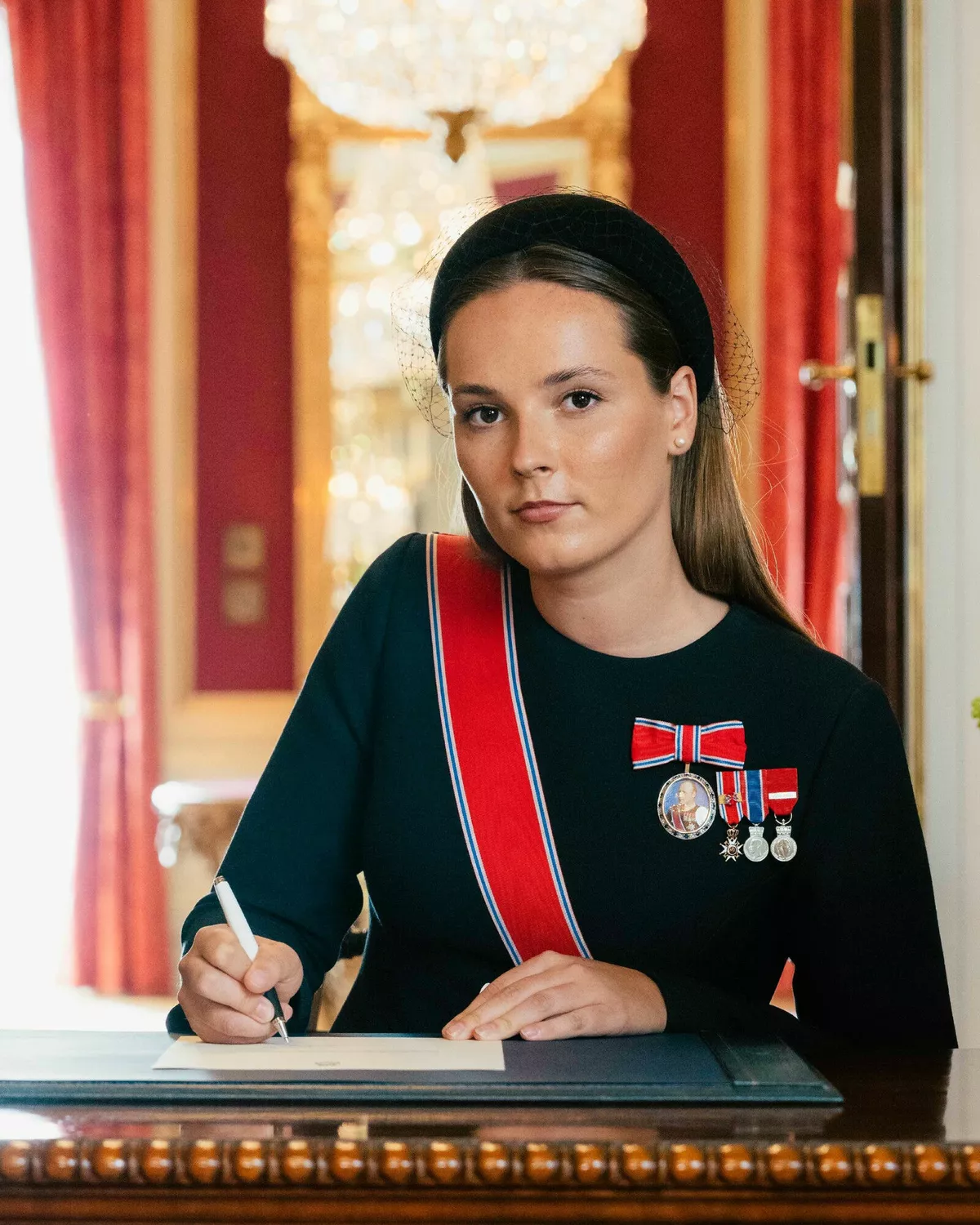
Dramatic context: the queen’s absence
Queen Consort Mette-Marit was unable to attend the historic 17-minute ceremony due to post-operative complications. In June 2026, she underwent a lung transplant due to chronic fibrosis and remained under observation in hospital on the day of the oath-taking. Her absence underscored the gravity of the moment: only his daughter stood next to the new king at the ceremony.
Interrupted Studies and a Move to Oslo
The press recalls that the princess interrupted her three-year studies at the University of Sydney, where she studied international relations and political economy, to return to Oslo due to her mother’s deteriorating health and subsequent constitutional duties. According to the royal court, education remains a priority, but Ingrid Alexandra has now permanently transferred to the University of Oslo. Her schedule will be flexible: during exam periods, the workload will be reduced, but during the King’s absence, her studies will have to be interrupted in order to govern the country.
Growing popularity of the monarchy amid scandals
According to Norwegian polls cited by NRK, support for the monarchy has grown to 72% – from 64% in the spring. This happened despite the fact that over the past year, the royal house has been rocked by serious scandals: the trial of the princess’s half-brother Marius Borg Høiby, accused of rape, and criticism of Mette-Marit due to past contacts with Jeffrey Epstein. English-speaking analysts attribute the rise in ratings to the figure of the young Crown Princess: society is placing hopes on her to restore the reputation of the monarchy.
How will her responsibilities be distributed
- International representative role . Ingrid Alexandra will become the “face” of Norway on the international stage: representing the crown at royal weddings, jubilees and coronations, as well as accompanying her father or independently heading diplomatic missions.
- Substituting for Queen Mette-Marit. Considering that the Queen is recovering from a lung transplant and her work schedule is dosed by doctors, the Crown Princess will take on the lion’s share of domestic responsibilities: overseeing charitable organizations, attending cultural, environmental and sporting events.
- Political training. Now she is required to regularly attend meetings of the State Council, gaining management experience from her father.
The functions of the regent. Replacing the king during periods of his absence or illness is the main change. She will head the State Council and sign laws.
Military role. The princess has already completed 15 months of military training in an engineering battalion. As Crown Princess, she will receive higher military ranks and regularly inspect the armed forces.
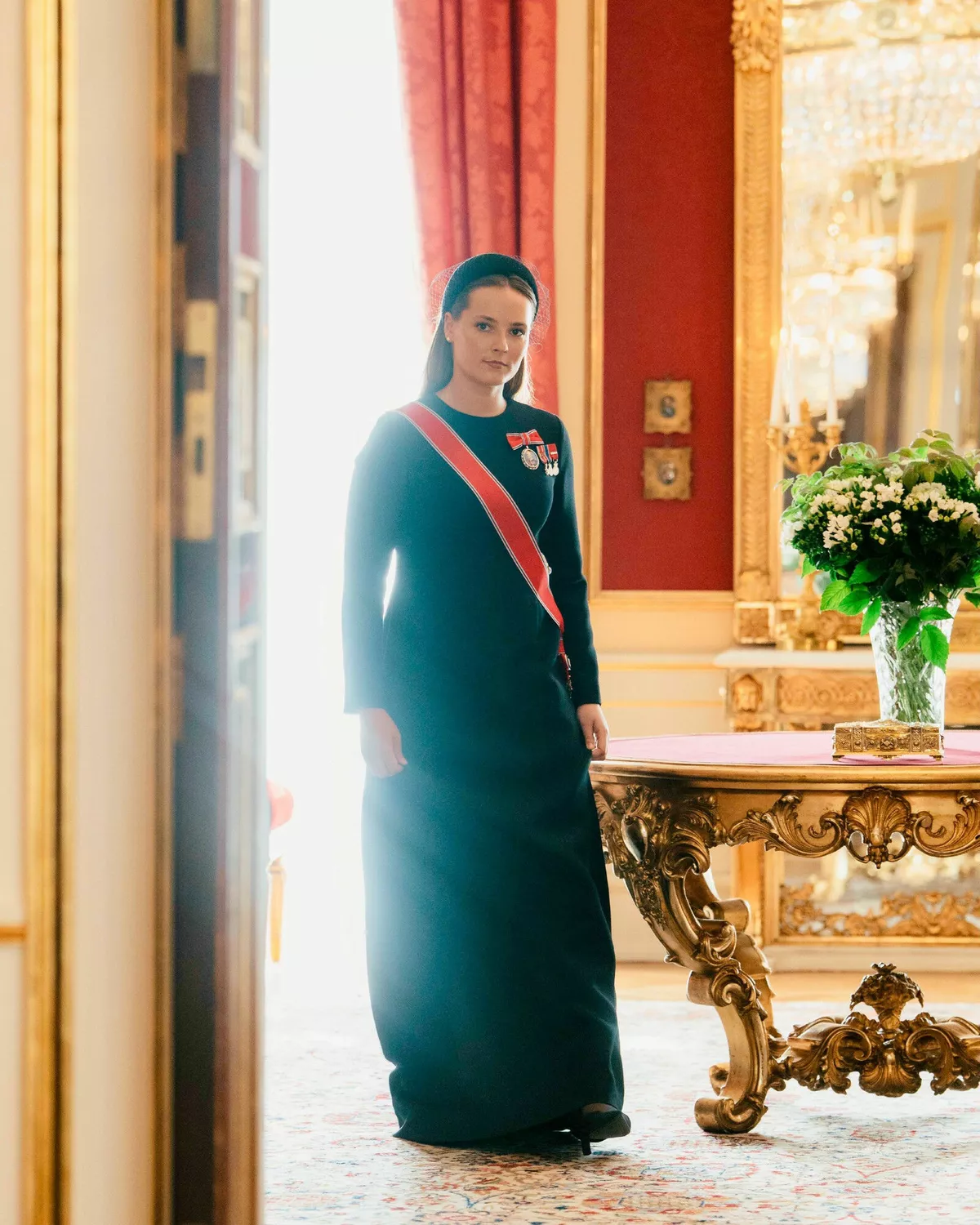
Dress code for the ceremony
Due to national mourning for the late King Harald V, the princess was dressed in a strict black dress, complemented by a headband with a veil and the official orders and medals of Norway. According to English-language media, during these days of national mourning, Ingrid Alexandra is demonstrating fortitude and impeccable style – qualities that society especially values during a transition of power.