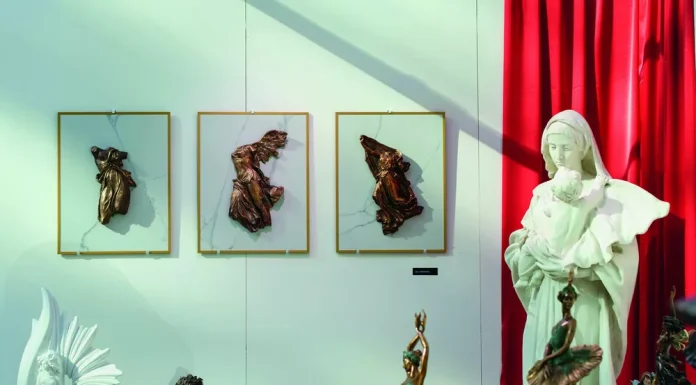

Interest in academic art is growing, and for good reason. Over the past hundred years, artists have expanded the boundaries of art: they rejected familiar subjects, sought new forms, and transformed ideas, gestures, and ordinary objects into works of art. This has given culture enormous freedom, but has also complicated art’s relationship with the viewer. To understand certain works, a person often requires a detailed explanation.
Against this backdrop, a countermovement is increasingly noticeable—a desire to rediscover mastery, a recognizable image, and a comprehensible subject. It is important for the viewer not only to reflect on the concept but also to experience immediate emotion: to be amazed by how light, movement, or facial expression are conveyed. This is not a rejection of contemporary art or an attempt to return to the past. Rather, it is a new wave of interest in what has long remained in the shadows of experimentation.
Academic art is based on a clear principle: the artist first masters the craft and then speaks to the viewer in their own language. They study anatomy, perspective, composition, and work with color and light. Such preparation allows not only to accurately depict a person or space, but to build an entire story within a single work.
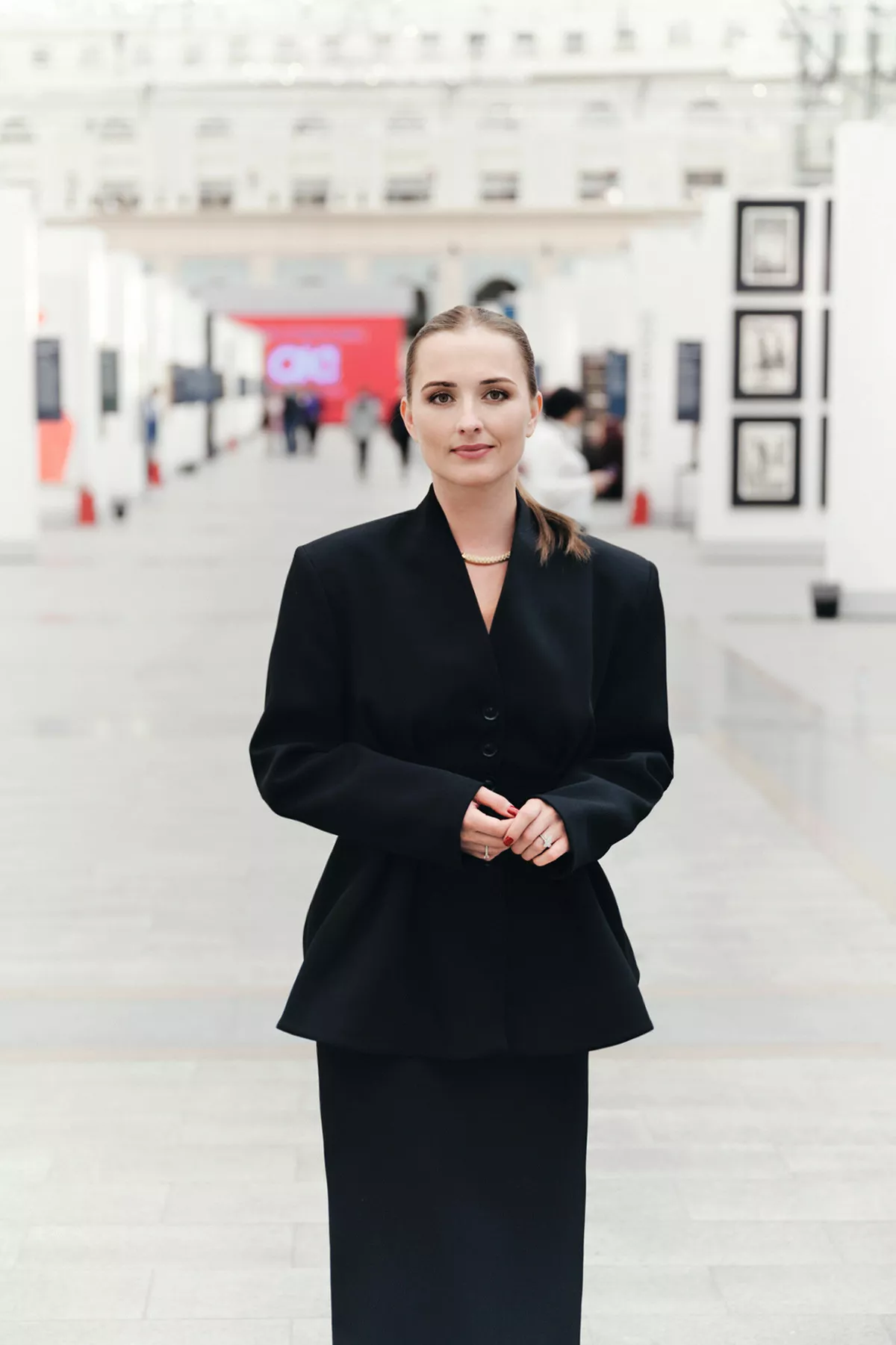
The academic tradition historically valued large-scale historical, religious, and mythological subjects above others. They were followed by portraits, landscapes, and still lifes. Today, the boundaries are broader: trained artists turn to contemporary life, using photography and digital tools. Academicism is defined not so much by the subject as by the school, the quality of execution, and attention to form.
The main advantage of this type of art is that it is initially open to the viewer. The first level is immediately perceptible: we recognize people, objects, space, and action. But additional meanings are almost always hidden behind it. An academic painting is like a novel that can be read gradually. The subject’s pose, the direction of their gaze, the color of their clothing, a flower, or an animal can all be part of a symbolic language. For example, a dog traditionally signifies fidelity, while a white daffodil signifies loneliness and sorrow.
Therefore, the best way to get acquainted with academic art is not to try to decipher everything at once, but to give yourself time. Stop in front of one work and observe where the eye goes, how the artist places accents, where the light comes from, what is happening between the characters. Ask yourself what emotion the work evokes. Knowledge of symbols and history will come later. Like classical music, painting can initially be simply felt—the desire to understand it more deeply arises only later.
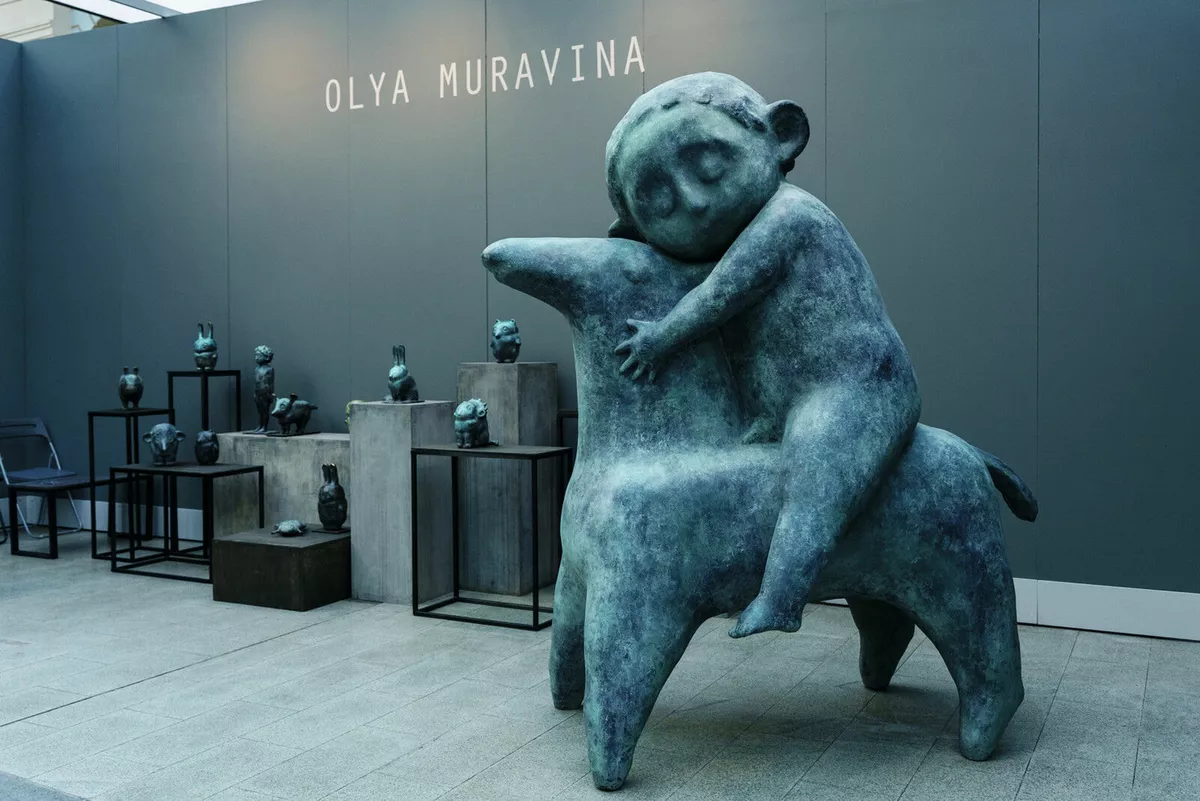
The Russian school of academic art has a particularly strong position. The country has preserved the continuity of academic education, which many foreign schools partially lost in the 20th century. Education remains sequential: drawing, composition, anatomy, painting, and working with life. Teachers are often practicing and recognized artists themselves. This system does not promise quick results, but it does provide a foundation for a unique style.
But a strong tradition does not mean immobility. A contemporary academic artist is not obligated to copy the masters of the past. They can speak to the lives of today’s people, work with new materials and technologies, and combine classical drawing with the digital medium. At the same time, their work remains rooted in professional training, precision of drawing, and skill in composition. New tools do not abolish the academic tradition, but allow us to explore current themes and images.
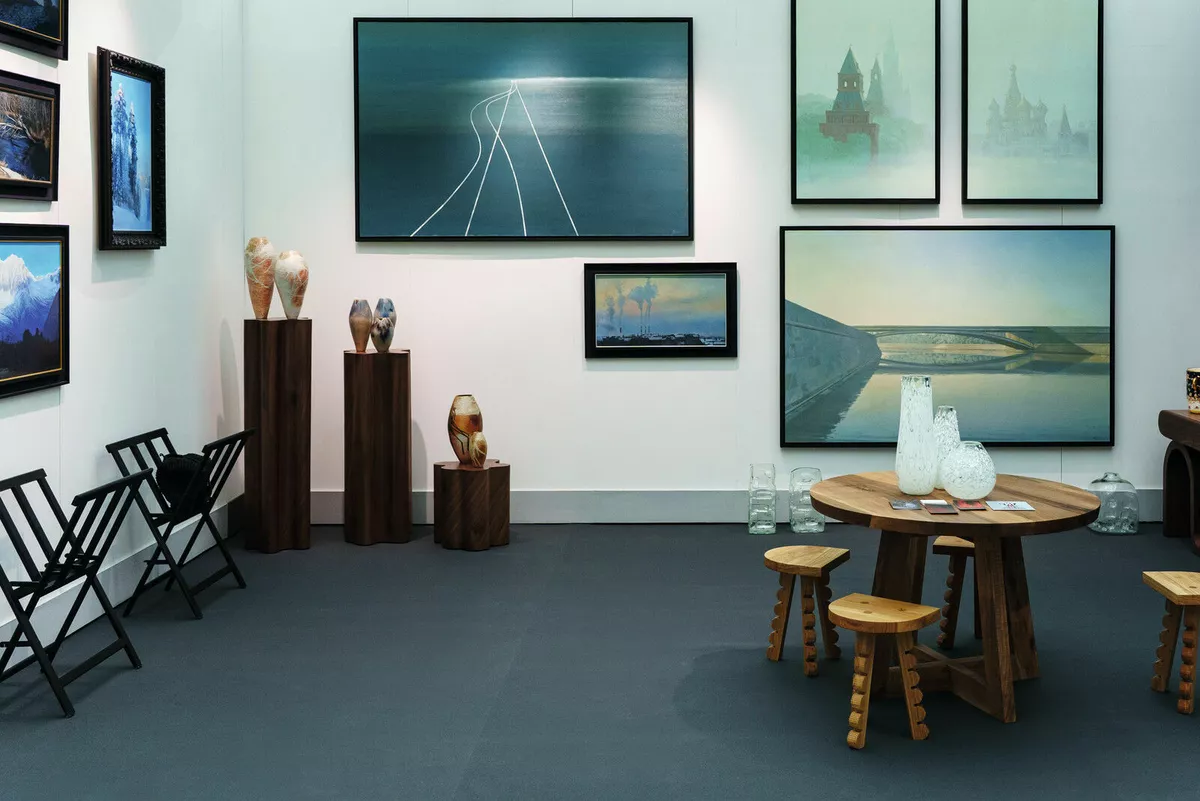
It was the desire to show academism as a living and developing tradition that formed the basis of the new project. Vadim Lobov, president of Synergy Corporation, and I decided that the time had come to create a separate section within the Art of Russia exhibition, entirely dedicated to academic art. Last year, the country’s first large-scale Academic Art Fair was launched, and it has already found its audience and collectors.
The best way to get acquainted with this art movement is not through textbooks, but through personal encounters with works of art. From September 24th to 27th, Gostiny Dvor will host works by contemporary artists and allow you to observe how the classical school responds to the challenges of the 21st century. Perhaps it is there that someone will begin their acquaintance with academic art – not as a set of strict rules, but as a clear, deep and surprisingly modern conversation with the viewer.
Author: Elizaveta Frolova