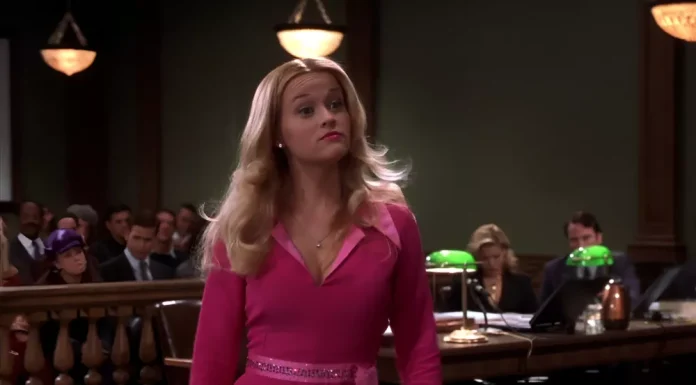

“Lawyers” – Lyudmila Kotova
In the series “Lawyers,” Ekaterina Vilkova plays Lyudmila Kotova, the best attorney at the firm “Eustass,” where clients come with cases of varying degrees of madness: from domestic conflicts to situations that sound like jokes until they reveal a very real legal problem. Lyudmila is experienced, cheerful, tenacious, and understands perfectly well that a lawyer’s work is built not only on knowledge of the law but also on the ability to communicate with people. Vilkova herself calls her heroine a “lawyer’s fox”: Lyudmila can be cunning, quickly read a client’s mood, find a weak spot in a dispute, and still remain within the bounds of her profession.

Her partner is Artyom, played by Eldar Kalimulin—an ambitious newcomer who still believes in the letter of the law, fair rules, and the ability to act correctly in any situation. Together, they take on new cases in each episode and constantly find themselves caught between pay, conscience, and professional passion. The series was directed by Anna Parmas (“Dear Relative”) and Leonid Telezhinsky (“Unreality-2”), and the cast also includes Ruslan Bratov, Anna Kotova, Sergei Romanovich, Irina Rozanova, Ivan Dobronravov, and others. The first four episodes will air on KION on May 29th.
“Defenders” – Nina Metlitskaya
Nina Metlitskaya from Vladimir Kott’s series “Defenders” is a lawyer from a completely different era and professional climate. She is played by Marina Vorozhishcheva, and one of the main sources for the project was a book by human rights activist Dina Kaminskaya. The action begins in the 1960s, when young Nina gets the chance to work at the legendary “Branch No. 1″—a place where many Soviet lawyers aspired to work. Her practice involves cases related to dissidence, ideological pressure, and punitive psychiatry, and the word “defense” itself always sounds riskier than a typical legal term.
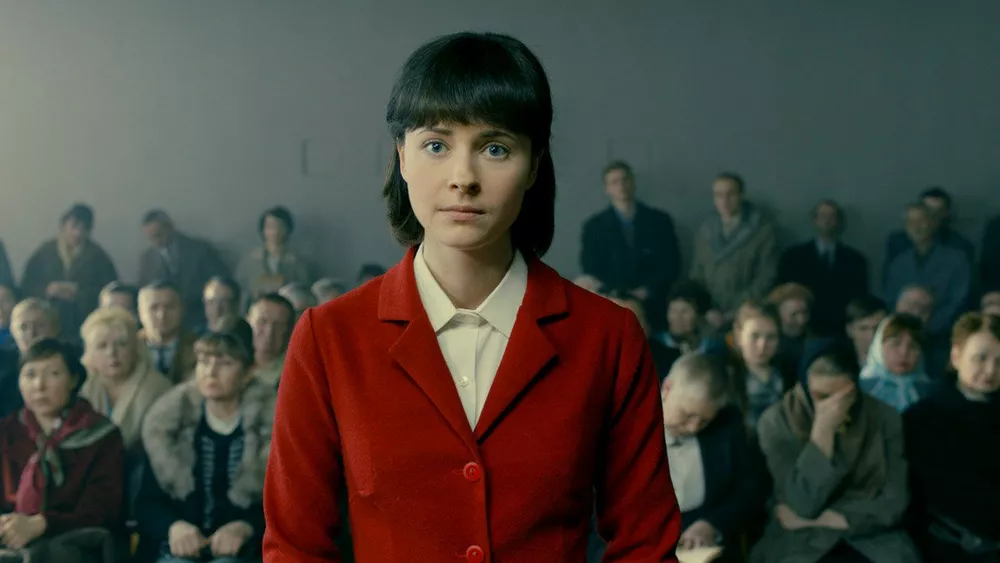
The first season takes place in Moscow, the second moves the action to Tbilisi. In “Defenders,” the atmosphere of the time is crucial: kitchen conversations, fear of the system, careful wording, the heavy feeling that one wrong word can change a person’s fate. Metlitskaya navigates this environment with a rare combination of inner strength and professional precision. She’s not a heroine of impressive speeches for the sake of a beautiful photo, but a person who must defend others where the very possibility of defense is already a challenge.
“Legally Blonde” – Elle Woods
Elle Woods, played by Reese Witherspoon, has long been a pop culture icon, though at the beginning of “Legally Blonde,” no one at Harvard takes her seriously. She arrives at law school after a painful breakup with a boyfriend who considers her too frivolous for his future political career. Her pink wardrobe, small dog, love of beauty, and blonde appearance seem to those around her to be proof of her inadequacy. Elle quickly turns other people’s expectations into her own weapon.
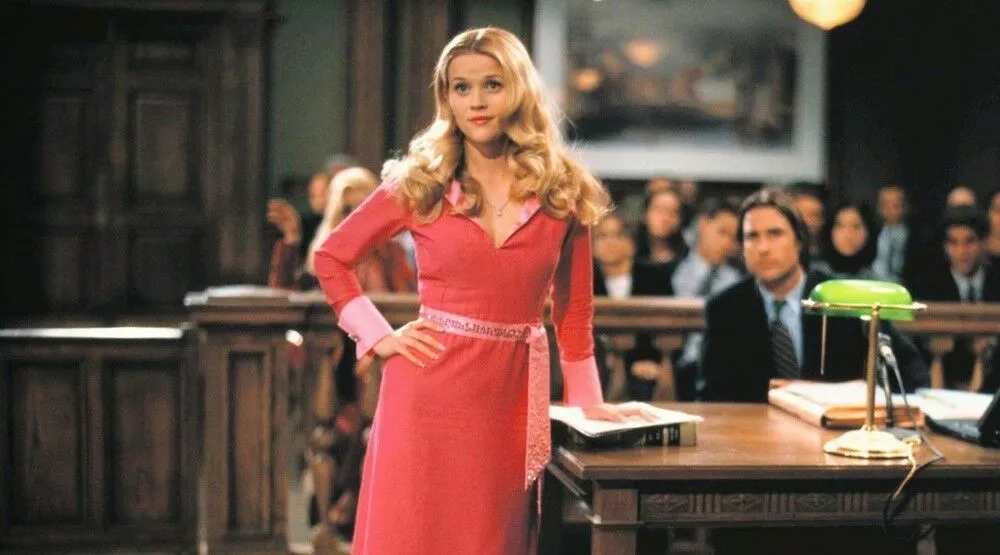
Rewatching today, Robert Luketic’s film feels much sharper than just an early 2000s comedy. Elle must contend with arrogance, sexism, harassment, and the condescending tone of people who believe an intelligent woman must look a certain way. Her strength as a future lawyer comes from her observation skills, empathy, and ability to notice details that her more self-assured colleagues miss. The film made Reese Witherspoon a star of a new magnitude, and Elle Woods herself remained a rare heroine who won a case without abandoning her own way of speaking, dressing, and seeing the world.
In 2026, Elle Woods will begin a new on-screen life: the release of the series “Elle” – a prequel to “Legally Blonde” and “Legally Blonde 2”, which will show the heroine’s high school years long before Harvard.
“The Good Wife” – Alicia Florrick
Alicia Florrick from “The Good Wife” is the role that brought Julianna Margulies one of the most recognizable images of American television of the 2010s. At the beginning of the series, Alicia finds herself at the center of a public scandal: her husband, the Cook County prosecutor, goes to prison after corruption and sexual abuse were exposed. She once graduated from law school, but left the profession for years to raise her family. Now she must return to the law firm from a lowly position, re-proving her competence to colleagues, clients, children, the press, and herself.
Alicia’s strength lies in the series’ careful depiction of the costs of returning to the profession after a long hiatus. She handles cases, maintains her composure in front of the cameras, manages the consequences of other people’s shame, and gradually rebuilds her own career in a place where society has already assigned her the role of “wife to a scandalous husband.” “The Good Wife” revolves around lawsuits, political intrigue, and office rivalries, but at the center remains a woman who, step by step, emerges from someone else’s biography and begins to write her own.
“How to Get Away with Murder” – Annalise Keating
Annalise Keating, played by Viola Davis, is a law professor, a private attorney, and one of the most powerful characters in legal television. She teaches a course provocatively titled “How to Get Away with Murder” and selects the best students to join her firm. For them, this is a chance to experience a real profession without the sterility of academic training: with clients who hide the truth, with evidence that must be analyzed down to the millimeter, and with decisions after which it is impossible to return to the safety of the classroom.
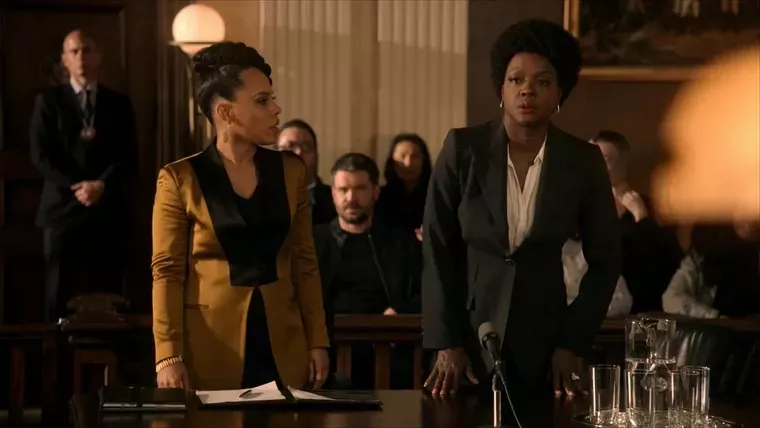
Shonda Rhimes’s series quickly veers into thriller territory: behind the court cases, Annalise’s own secrets, her past, personal traumas, and complex relationships with her students gradually emerge. In this role, Viola Davis plays a lawyer without cutting corners—brilliant, blunt, vulnerable, dangerous, and at times frighteningly convincing. Annalise teaches future lawyers a simple professional ruthlessness: no matter who the client is, the defense’s job is to get them out of court free. This conflict between ethics, victory, and personal truth has kept viewers gripped for many seasons.
“She-Hulk: Attorney” – Jennifer Walters
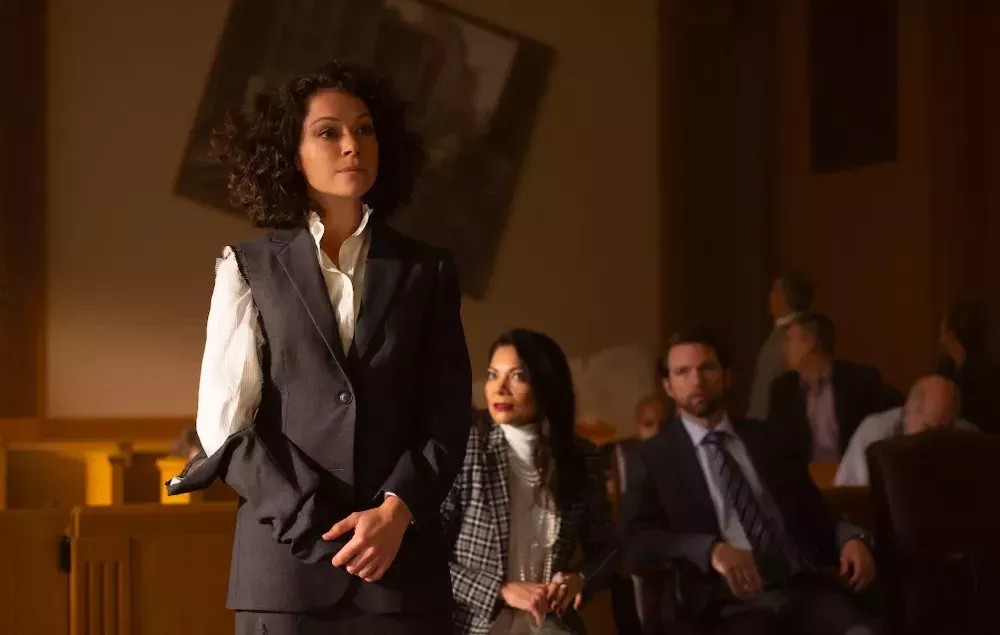
Jennifer Walters from “She-Hulk: Attorney” is a lawyer who must juggle legal practice, sudden superpowers, and the constant attention of people who have decided her identity is now reduced to green skin and the ability to smash through walls. Tatiana Maslany plays the heroine, who gained her powers after coming into contact with the blood of her cousin, Bruce Banner. Only Jennifer copes with the transformations much more quickly: she explains directly that women train themselves to control their anger from childhood, because otherwise, the world around them will do it for them.
The Marvel series sends her to the Superhuman Division, where the legal routine is especially bizarre: clients can be magicians, superheroes, shady influencers, or simply those who have found themselves in an unusual situation. The main comedy, however, comes not from the special effects, but from Jennifer’s daily overload. She has to go on dates, answer to her superiors, endure public judgment of her appearance, listen to her relatives’ advice, and decide whether she even wants to be a costumed heroine. Walters emerges as a rare Marvel character whose strength doesn’t negate fatigue, awkwardness, and the frustration of others’ expectations.
“Paris Police 1900” – Jeanne Chauvin
In the crime drama “Paris Police 1900,” lawyer Jeanne Chauvin appears against the backdrop of turbulent turn-of-the-century France. President Félix Faure is dying, the Third Republic is being undermined by radical movements, and anti-Semitic, nationalist, and anarchist sentiments are growing. Police officer Antoine Jouin investigates the murder of a young woman whose body is found in a suitcase in the Seine, and gradually uncovers a conspiracy that threatens far more people. Jeanne Chauvin becomes a crucial ally in a case where a private crime is linked to the country’s broader political malaise.
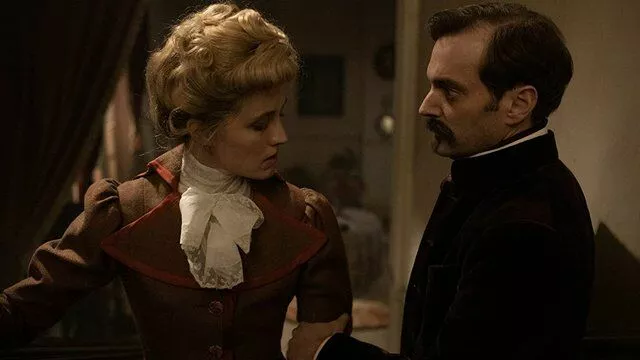
Jeanne Chauvin was one of the first women in France to be licensed to practice law. In the series, her position is particularly vulnerable—she enters a profession where women must defend their very existence. In the second season, this line becomes even more brutal: Jeanne is attacked after defending a prostitute arrested during a showpiece police raid. “Paris Police 1900” shows a lawyer in a world where law, politics, violence, and public morality are too closely intertwined, and any speech in defense of the weak can become a personal threat.